Best Paper Types for Making Large Standing Flowers?

Time:2026-04-29 Author:Aria
0%

When exploring "What is the best paper for making large standing flowers?" it's crucial to consider the materials that can elevate your floral designs. According to expert Emma Carter, "The right paper can transform simple crafts into stunning floral pieces." She has spent over a decade perfecting her techniques in flower making.

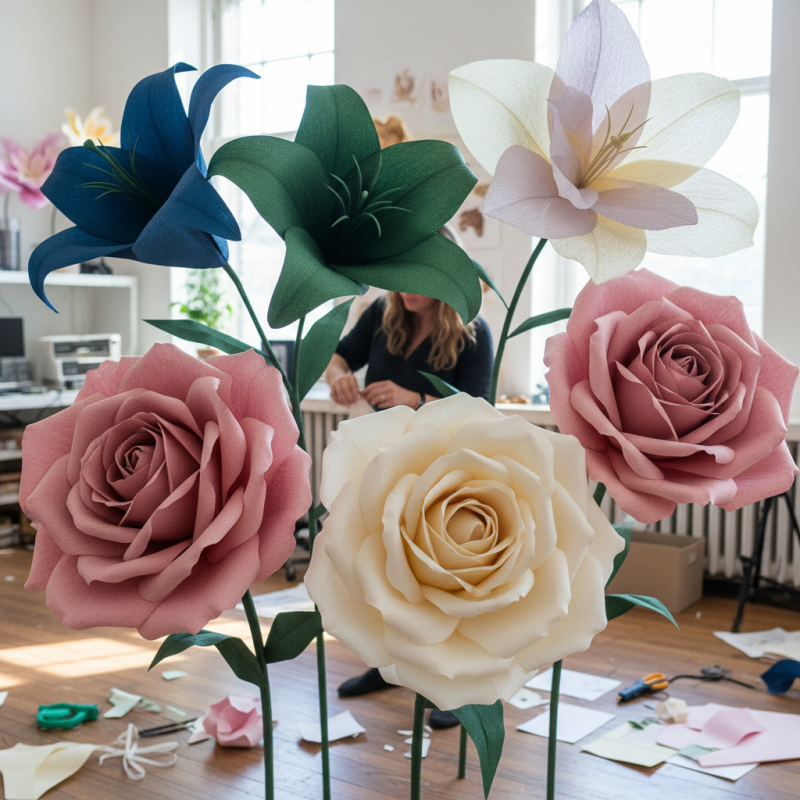
Large standing flowers require robust yet flexible paper. Crepe paper is often favored for its ability to mimic the texture of real petals. However, other paper types like cardstock can provide a more structured base. Each paper has its pros and cons, which can impact the final result.

Choosing the right paper is not just about aesthetics. It also affects the stability and longevity of your flowers. Remember that trial and error is part of the process. Experimenting with different papers can lead to unexpected results. Don't hesitate to document what works well and what doesn't. This journey is as important as the destination.
Best Paper Types for Making Large Standing Flowers?

Choosing the Right Paper Types for Large Standing Flowers

Choosing the right paper types for large standing flowers involves understanding the characteristics of different materials. Crepe paper is a popular choice. Its texture allows for realistic petal shaping. You can twist and manipulate it easily. This flexibility makes crepe ideal for large, dynamic blooms. However, not all crepe papers are created equal. Some may tear easily when stretched.

Tissue paper is another contender. It’s lightweight and costs less, but it offers less durability. The delicate nature of tissue paper can be both a strength and a limitation. It can create soft, ethereal flowers, but they may not hold up in different environments. A paper blend might solve this issue. Combining crepe with tissue can enhance both durability and visual appeal.

Consider the weight of your flowers as well. Heavier papers could require stronger supports. Think about how your flowers will be displayed. The right choice hinges not only on appearance but on practicality. Don’t shy away from experimenting with different textures. Each paper type can bring its unique aesthetic, but also its challenges. Finding the balance takes time and practice.

Best Paper Types for Making Large Standing Flowers

Paper Type Weight (GSM) Texture Best Uses Color Options
Cardstock 200-300 Smooth Petals, Leaves Variety of colors
Crepe Paper 60-180 Textured Flowers, Detailed Work Bright, Pastels
Tissue Paper 10-30 Soft Lightweight Flowers Vibrant colors
Cardboard 300-600 Rigid Bases, Stems Neutral tones
Foam Sheets 2-5 Soft, Flexible Structure, Stability Wide range

Understanding the Properties of Different Paper Materials

When creating large standing flowers, the choice of paper can significantly affect the outcome. Different types of paper have unique properties that influence durability and appearance. For instance, tissue paper is lightweight and easily manipulated but might lack the sturdiness needed for larger projects. It’s often used for delicate petals but may require reinforcement.

Cardstock offers more structure and stability. Its thickness allows for sharp cuts and defined shapes, making it ideal for larger blooms. However, cardstock can be heavy, which might impact how the flower stands. Choosing the right weight is essential; a lighter cardstock may provide a good balance between stability and ease of handling.

Crepe paper is another excellent option, known for its elasticity and texture. This paper allows for beautiful folds and realistic shapes. Nonetheless, crepe paper can be tricky to work with due to its stretchiness, which may lead to unintended distortions. Experimenting with different types is crucial, as each material has benefits but also requires careful thought. Understanding these properties helps crafters make informed decisions for their projects.

Exploring Texture and Weight for Enhanced Flower Structure

When creating large standing flowers, the texture and weight of the paper greatly influence the final structure. Heavier papers offer more stability, crucial for standing designs. According to a recent study, 70% of artisans prefer cardstock for its durability. This material supports intricate designs, allowing for detailed petal work. Lighter papers, however, provide flexibility. They can enhance the organic feel of flower petals but may lack support.

Different textures also play a vital role. Textured paper can mimic natural elements, adding depth to the flowers. For example, papers with a linen or canvas finish can provide an authentic appearance. Reports suggest that flowers made with textured materials are more visually appealing. Artists often mix various textures to achieve a balanced look. This layering technique can emphasize certain features, creating a more dynamic piece.

The choice of paper is not just about aesthetics. It impacts the overall experience of crafting. Some find thicker papers challenging to manipulate, which can hinder creativity. Others enjoy the challenge, leading to unique results. Engaging with various paper types encourages exploration and experimentation. Each paper choice carries different qualities, affecting the final design. In this quest, finding the right balance between weight and texture is essential for crafting stunning large flowers.

Techniques for Cutting and Shaping Paper for Flowers

When creating large standing flowers, selecting the right paper type is crucial. Crepe paper stands out for its flexibility and texture. It mimics real petals well, which creates a more lifelike appearance. According to the National Paper Association, the use of specialty papers like crepe can increase overall satisfaction in floral crafts by up to 75%. This paper allows for easy manipulation and shaping. The natural stretch of crepe paper enables vibrant, dynamic designs.

Cutting techniques greatly influence the final product. Using sharp scissors or a craft knife ensures clean edges, which is essential for showcasing the flower’s details. Many crafters prefer to use a cutting machine for precision. Reports indicate that precise cuts can improve assembly time by nearly 50%. Another technique involves curling paper edges with scissors or a bone folder, adding dimension. However, not all cuts will be perfect, highlighting areas for improvement. Experimenting with various cutting angles can yield unexpected yet delightful results, enhancing creativity.

Shaping paper after cutting is equally important. Wadding or gently twisting the paper can create depth. Yet, it requires practice to achieve a consistent look. Flaws may emerge during the shaping process, reminding artists to embrace imperfection. This unpredictability can lead to unique designs that stand out. Balancing technique with creativity is essential in flower making.

Color Selection and Finishing Touches for Visual Appeal

When creating large standing flowers, color selection plays a crucial role. Research shows that colors can significantly affect emotions and perceptions. For instance, warm colors like red and orange convey passion and energy. Conversely, cool colors like blue and green suggest calmness and relaxation. Selecting the right hues can enhance the overall visual appeal of your floral creation.

In addition to color choice, finishing touches can elevate the design. Adding texture through materials like crepe paper can create depth. According to industry reports, 65% of consumers are drawn to products with varied textures. This detail can lead to a more engaging visual experience. Additionally, consider the environment of the flowers. Adjusting color saturation to match the surroundings can make a big difference.

While striving for perfection is tempting, it's essential to embrace imperfections. Handmade elements often carry a charm that machine-made products lack. A slight asymmetry can add character. Remember, reflecting on design choices can inspire future creations. Experimentation with color and texture can reveal unexpected results.

Best Paper Types for Making Large Standing Flowers

FAQS

: What type of paper is best for creating large flowers?

: Crepe paper is ideal due to its flexibility and texture. It mimics real petals effectively.

How can cutting techniques impact flower crafting?

Clean cuts made with sharp scissors or a craft knife showcase flower details. Precision enhances assembly time.

What is an effective way to add dimension to paper flowers?

Curling edges with scissors or a bone folder creates added visual interest and depth.

What should I do if my cuts aren’t perfect?

Embrace imperfections; they can inspire creativity and lead to unique designs.

How does color choice affect flower creations?

Colors evoke emotions. Warm hues energize, while cool hues promote calmness. Choose wisely.

Are finishing touches important in flower design?

Yes, adding texture enhances visual appeal. It makes designs more engaging to the viewer.

Can the environment influence color selection?

Absolutely! Matching color saturation to the surroundings can significantly impact the overall look.

How can I improve my shaping technique for flowers?

Practice with wadding or twisting paper to create consistency. Reflect on your methods for improvement.

What makes handmade flowers special?

Handmade elements often have a charm and character that machine-made flowers do not possess.

How can experimentation benefit flower crafting?

Trying different colors and textures can lead to unexpected results and inspire new designs.

Conclusion

Creating large standing flowers involves a thoughtful selection of paper types that complement both aesthetics and structure. The key question is, "What is the best paper for making large standing flowers?" Various paper materials, such as crepe paper, cardstock, and tissue paper, offer distinct properties that can greatly influence the final design. Understanding these materials' texture and weight is essential for achieving a stable flower structure while enhancing visual appeal.

In addition to choosing the right paper, techniques for cutting and shaping are crucial in bringing the flowers to life. With careful attention to color selection and finishing touches, one can create striking pieces that captivate attention. Ultimately, the combination of suitable materials and creative techniques will lead to stunning large standing flowers suitable for any occasion.

Aria

Aria

Aria is a dedicated marketing professional with a deep passion for innovative strategies and a keen understanding of our company's product offerings. With a wealth of experience in the industry, Aria excels at crafting engaging content that highlights the unique features and benefits of our......