China Top 10 Handmade Paper Art for Festive Windows?

Time:2026-11-04 Author:Oliver
0%

A festive window can change the mood of a room with one cut-paper blossom, a red lantern, or a row of tiny gold stars. China’s handmade paper traditions offer more than decoration: they bring visible texture, careful cutting, and regional craft into everyday spaces. This guide explores ten ideas, from intricate jianzhi paper-cuts to layered plum blossoms and zodiac motifs. Some designs take patience. That is part of their charm.

Why choose handmade paper art for festive window dressing? It can be lightweight, adaptable, and made in sizes that suit a narrow apartment window or a broad shopfront. Arts and Crafts designer William Morris offered a lasting design test: “Have nothing in your houses that you do not know to be useful, or believe to be beautiful.” His words are not about paper windows specifically, but they fit decorations chosen for meaning as well as appearance.

Materials matter, too. The U.S. Environmental Protection Agency’s Advancing Sustainable Materials Management report recorded a 68.2% recycling rate for paper and paperboard in 2018. That figure describes U.S. recovery, not every handmade decoration, and coatings or mixed materials can complicate recycling. The World Bank’s What a Waste 2.0 report projected global waste to rise from 2.01 billion tonnes in 2016 to 3.4 billion tonnes by 2050. These figures make material choices worth considering, though paper decor is not automatically sustainable. A reusable cutout may serve for several celebrations; a delicate one may not. This list weighs visual impact, craft, and practical use, with room for honest trade-offs.
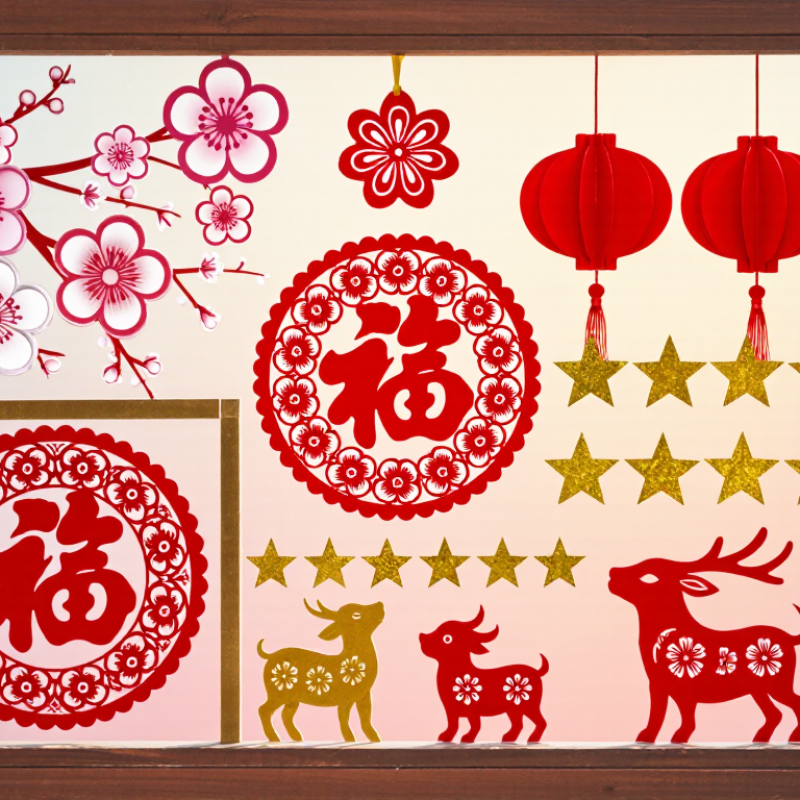
China Top 10 Handmade Paper Art for Festive Windows?

Origins and Cultural Significance of Chinese Festive Window Paper Art

Chinese festive window paper art, often called chuanghua, grew from the availability of paper and local cutting traditions. Paper became established in China during the Han period, but the exact beginnings of decorative window cutting are difficult to pin down. The story is not perfectly tidy. Families passed patterns between generations, adapting them to regional tastes and seasonal needs.

Before Lunar New Year, people may place red cut-paper designs on windows and doors. The color stands out against winter light. Small cuts form flowers, birds, fish, or characters associated with good fortune. A fish can suggest abundance, while blossoms evoke renewal. These images are not merely decoration; they make hopes visible in everyday rooms. They also transform plain paper into something personal. The scissors leave tiny curls on the table.

Making the patterns takes patience. A folded sheet can produce a balanced design, though one careless snip may change it. That imperfection matters, too. Handmade work carries the maker’s choices, not just a polished symbol. Today, printed decorations are easier to find, yet cutting paper by hand keeps family customs tangible and open to change. A window becomes a small place where memory, belief, and craft meet.

Traditional Papers, Tools, and Cutting Techniques

In many Chinese homes, handmade paper-cuts bring color to festive windows. Red paper is a familiar choice, but its weight and texture affect the result. Thin xuan paper can show delicate lines, while sturdier handmade sheets hold bold shapes. The fibers may be uneven. That is part of the material, not always a flaw. Test a small scrap before cutting a full design.

Use sharp scissors for curves and a craft knife with a cutting mat for tiny openings. Keep the paper flat and your fingers clear of the blade. Folded paper creates balanced designs, especially for flowers, lanterns, and paired animals. A pencil sketch helps, though too many guide lines can crowd the pattern. Keep scraps nearby. Not every cut behaves.

Begin with the largest outer shapes, then work toward smaller details. Leave bridges between cut areas so the design stays intact when lifted. For a bright window, hold the paper against daylight and check whether the openings read clearly. Avoid placing delicate cuts where damp glass or strong drafts can weaken them. Even careful planning can leave one side heavier than the other; adjust the next cut rather than forcing a fragile piece to look perfect.

China’s Top 10 Handmade Paper Art Traditions for Festive Windows: Traditional Papers, Tools, and Cutting Techniques
Paper Art Tradition Associated Area Traditional Paper Common Tools Characteristic Technique Festive Window Motifs and Use
Northern Shaanxi Paper-Cutting Northern Shaanxi Usually red paper; other colors may also be used Scissors and small cutting knives Bold silhouettes, openwork, and folded symmetrical cutting Flowers, livestock, birds, and zodiac animals are commonly displayed for Lunar New Year.
Yuxian Paper-Cutting Yuxian County, Hebei Thin paper, often colored after cutting Small knife, cutting surface, and brushes for coloring Fine knife-carving followed by hand-applied color Brightly colored flowers, birds, and figures make vivid New Year window decorations.
Guangling Paper-Cutting Guangling County, Shanxi Thin paper that can be colored by hand Engraving knife and coloring brushes Knife-carved details are combined with applied color Decorative flowers, animals, and auspicious figures suit festive window displays.
Yangzhou Paper-Cutting Yangzhou, Jiangsu Lightweight paper, commonly in contrasting colors Fine scissors and small knives Delicate cutting with fine lines and carefully balanced shapes Floral and bird designs bring an elegant, detailed look to seasonal decorations.
Yueqing Fine-Line Paper-Cutting Yueqing, Zhejiang Thin paper suited to fine, intricate work Fine scissors and small cutting knives Close-set fine lines and intricate openwork create detailed patterns Floral and auspicious designs can be displayed as delicate festive window pieces.
Zhangpu Paper-Cutting Zhangpu County, Fujian Colored paper, often red for festive decoration Scissors and cutting knives Decorative cutwork with intricate shapes and carefully arranged patterns Flowers, animals, and auspicious symbols are used in local festive and folk settings.
Foshan Paper-Cutting Foshan, Guangdong Paper; some traditional works also use metal foil Scissors, knives, and tools for shaping or embossing foil Cutting and engraving may be combined with foil or layered materials Bright decorative motifs add shine to seasonal displays and folk celebrations.
Chaozhou Paper-Cutting Chaozhou, Guangdong Thin colored paper, often red for festive pieces Scissors and fine cutting knives Ornamental cutting with detailed, balanced patterns Floral and auspicious designs are associated with festivals and local folk customs.
Jiaodong Paper-Cutting Jiaodong Peninsula, Shandong Red paper is common for window decorations Scissors and small knives Cut silhouettes and openwork, with designs ranging from bold to finely detailed Window flowers often feature plants, animals, and symbols of good fortune for the New Year.
Huizhou Paper-Cutting Huizhou area, Anhui Thin paper in red or other decorative colors Scissors and fine cutting knives Pattern cutting and openwork create compact, ornamental compositions Traditional flowers and auspicious motifs can be adapted for holidays and home decoration.
Note: Materials, colors, and tools vary among individual makers and local practices; red paper is especially common for Chinese New Year window decorations.

Ten Handmade Paper Art Forms for Festive Windows

Handmade paper art can turn a festive window into a small seasonal display without heavy materials. Try cut-paper silhouettes of rooftops, snowflakes with varied arms, or tissue-paper mosaics in warm reds and golds. Folded paper fans add rhythm, while paper flowers bring soft edges to a spring celebration. Keep shapes large enough to read from outdoors.

For more texture, layer translucent paper panels, string kirigami garlands, or frame pressed leaves between thin sheets. Paper chains are simple, but alternating colors makes them feel considered. Painted rice-paper scenes can suggest lanterns, branches, or a winter moon. Test each material against daylight first; some dyes fade or look dull from the street. A small patch of removable tape on a clean corner can help you judge the effect. I once made a design too dense, and the window felt crowded. Less paper might have served it better. Keep a clear view through the glass, and check that decorations stay dry and secure.

Regional Motifs, Colors, and Symbolism

Festive window paper cuts are regional signatures, not one national style. In Shaanxi, bold, symmetrical flowers and animal forms often evoke harvest, family continuity, and good fortune. Shandong designs may use sturdy outlines and lively figures, while Yuxian paper-cutting in Hebei is known for colored, layered effects. Red is common, but its meaning depends on the design and occasion. A fish can suggest abundance; paired flowers may express hopes for marriage or family growth. A small detail matters. UNESCO added Chinese paper-cutting to its Representative List of the Intangible Cultural Heritage of Humanity in 2009, recognizing a living practice shaped by local communities, not a fixed pattern book.

Color and material change how motifs read against a window. China Paper Association’s 2023 annual report recorded 129.65 million tonnes of paper and paperboard production nationwide. That industrial figure gives material context, but it does not measure handmade paper or craft demand. For a display, translucent red paper glows warmly in winter light; pale paper can make fine cuts easier to see. I would avoid treating every motif as a universal symbol. Meanings shift between regions and households, and a neat explanation can flatten that variation. Keep the cut visible, but leave room for its local story.

How to Choose, Display, and Preserve Window Decorations

For festive windows, choose handmade paper art with visible fibers, crisp folds, and cutouts that remain readable from the street. Red and gold shapes suit warm indoor light, while pale paper shows delicate details against a dark evening sky. Check the edges for loose fibers and avoid pieces that feel brittle. A slightly uneven cut can feel more handmade; I still find it easy to overdecorate.

Display decorations on clean, dry glass, away from direct sun and heating vents. Use removable tabs on sturdy corners, not delicate points. Leave small gaps between pieces so daylight can outline each shape. The Canadian Conservation Institute’s paper-care guidance recommends limiting light exposure and protecting paper from unstable environmental conditions. In practice, a window changes temperature quickly, so check the paper after sunny afternoons or cold nights.

Preserve favorite pieces flat between clean sheets, in a dry, dark place. Keep them away from kitchens and bathrooms, where moisture can soften fibers and distort folds. The U.S. EPA’s 2018 Advancing Sustainable Materials Management report recorded a 68.2% recycling rate for paper and paperboard. That figure does not mean every decoration is recyclable: glitter, plastic film, and heavy coatings can complicate sorting. Reuse simple paper designs when possible, and check local recycling guidance before disposal. A little fading is hard to avoid.

Top 10 Handmade Paper Arts for Festive Windows

A practical comparison of popular paper-window decoration ideas. Scores are editorial planning ratings from 1–5, considering visibility, ease of display, and fit for festive windows; they are not measured survey results.

Display and care: Hang lightweight pieces with removable, window-safe fittings. Keep paper away from condensation, direct heat, and prolonged strong sunlight; store it flat in a dry place after the celebration.

FAQS

What is Chinese festive window paper art?

It is a handmade paper-cut tradition used to decorate windows and doors, especially before Lunar New Year.

How far back does the tradition go?

Paper became established in China during the Han period, but the exact beginnings of decorative window cutting are unclear. The history is a little untidy.

What do common paper-cut images represent?

Fish can suggest abundance, while blossoms often evoke renewal. Flowers, birds, and fortunate characters also appear.

Why is red paper often used?

Red stands out against winter light and gives windows a vivid festive look. Even a small cut can brighten a room.

Which paper works best for different designs?

Thin paper can support delicate lines, while sturdier sheets hold bold shapes. Test a scrap first; uneven fibers may affect the cut.

What tools and steps help with cutting?

Use sharp scissors for curves and a craft knife with a cutting mat for tiny openings. Keep fingers clear. Start with large shapes, then cut smaller details.

How can a paper design stay intact?

Leave small bridges between cut areas so the paper holds together when lifted. Folded sheets can create balanced patterns, though one careless snip may change them.

How should paper-cuts be displayed and cared for?

Check the design against daylight to see whether its openings read clearly. Avoid damp glass and strong drafts, which can weaken delicate cuts.

Do handmade paper-cuts need to look perfect?

Not necessarily. Uneven sides can show the maker’s choices, though a fragile section may need more support next time.

Conclusion

Chinese festive window paper art brings together centuries of custom, seasonal celebration, and wishes for good fortune. This overview traces its cultural roots and introduces the papers, cutting tools, folding methods, and hand-cut techniques used to create decorative designs. It also explores ten forms of handmade window art, from symmetrical motifs and delicate floral patterns to animals, lantern-inspired shapes, and scenes drawn from everyday life. Regional styles add variety, while colors and symbols can express hopes for happiness, harmony, health, or a fresh beginning.

Why choose handmade paper art for festive window dressing? Each piece carries the maker’s time and attention, creating a warm, personal focal point that can be adapted to different windows and celebrations. The article also offers practical guidance on choosing designs, arranging them to make the most of natural light, and preserving the paper by keeping it dry, handling it gently, and storing it flat after the festivities.

Oliver

Oliver

Oliver is a seasoned marketing professional with a wealth of expertise in driving brand awareness and engagement. With a deep understanding of our company's product offerings, he consistently delivers high-quality content that enriches our professional blog. His insights not only shed light on......