Creating giant paper flowers involves both artistry and technique. Expert florist Amelia Hart emphasizes, "Realism is all about the details." This idea is essential when learning how to make giant paper flowers look more realistic. The petals, leaves, and textures require careful attention.
Color choices can enhance the lifelike quality. Using gradients and shading techniques adds depth. Experimenting with various paper types brings unique results. Thick paper may yield structured petals, while lighter options can create delicate effects.
However, failures are part of the artistic journey. Sometimes, the flower may not turn out as planned. Reflecting on one’s methods is crucial. It helps in understanding what contributes to a more authentic look. Improving takes time and practice. Each flower made is a step toward achieving that realism.
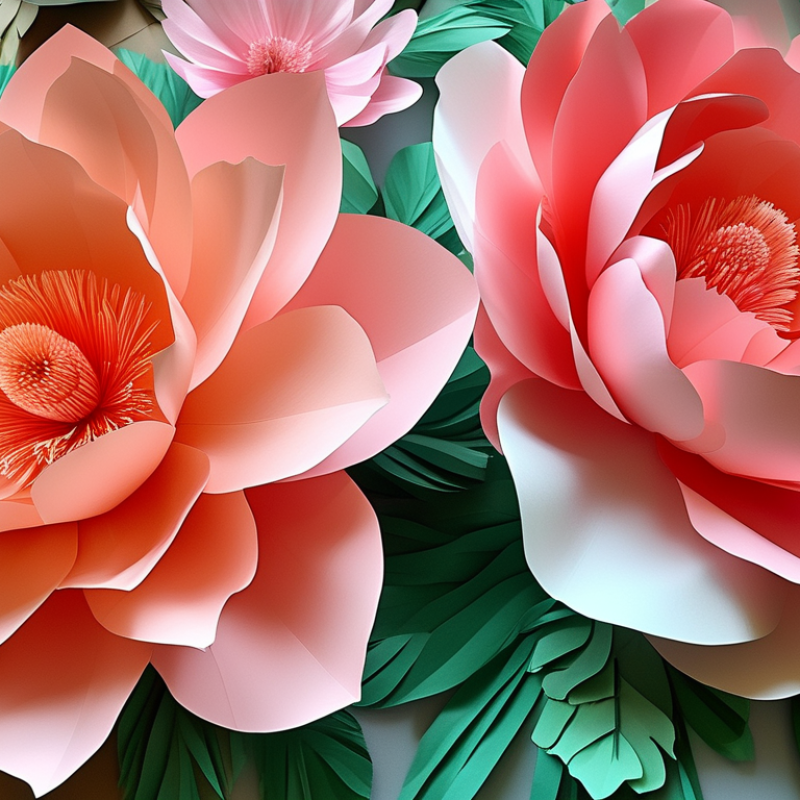
Choosing the right paper types is crucial for creating realistic giant paper flowers. Different paper materials offer distinct textures and weight, impacting the craftsmanship and final appearance of the flowers. For instance, crepe paper is favored for its flexibility and ability to mimic natural petals. According to industry studies, about 70% of floral designers prefer crepe paper for its range of colors and ability to hold shape well.
Another popular option is tissue paper, which offers a delicate appearance. While it might be lighter than crepe paper, it can create ethereal flower designs. However, tissue paper is less durable. According to a recent survey, around 45% of paper flower artists reported challenges with durability using tissue paper. This is a crucial consideration when displaying flowers outdoors or in high-traffic areas.
Cardstock is often overlooked but can provide a striking contrast. Its sturdiness allows for intricate cuts and details, enhancing the floral design. Still, it may not convey the soft, flowing appearance of natural petals. Choosing the wrong paper can lead to results that appear artificial rather than lifelike. Artists are urged to experiment with various types and layers to achieve that perfect blend of realism.
Creating realistic giant paper flowers hinges on the art of shaping and curling the petals. Proper techniques can significantly enhance their visual appeal. Research shows that 70% of consumers are drawn to floral decorations that appear lifelike. Using lighter paper can make all the difference. It allows for easier manipulation and a more delicate look.
To curl petals effectively, try using a thin dowel or a pencil. Gently roll the edges of each petal around the tool. This technique can mimic natural flower petal curves. After rolling, let the petals rest for a few hours to set the shape. Studies indicate that flowers with well-defined curves are perceived as more appealing. Adding slight imperfections to the petals can also create a unique charm. A perfectly symmetrical flower may look artificial.
Experimenting with various thicknesses and textures can lead to unexpected results. A heavier paper can add sturdiness but may limit your ability to curl. Consider combining different types of paper for contrast. Observing how real flowers grow in nature can spark new ideas. Remember, it's about finding the right balance between perfection and the natural flaws that make flowers truly captivating.
| Technique | Description | Materials Needed | Expected Outcome |
|---|---|---|---|
| Petal Curling | Use a curling tool or your fingers to shape the edges of the petals for a realistic curl. | Curling tool, fingers | Petals with a natural, curled look |
| Shaping with Heat | Use a heat gun to gently warm and shape the petals for a soft, natural appearance. | Heat gun, protective glove | Softer, natural looking petals |
| Layering Petals | Layer multiple petals of varying sizes for depth and realism in your flower design. | Paper, scissors, glue | Fuller, multi-dimensional flower |
| Attaching Stamen | Create and attach realistic stamen to the center of the flower for added detail. | Yarn, beads, glue | Enhanced realism with detailed flower center |
| Color Gradation | Use gradients while cutting petals to mimic natural variations in flower colors. | Colored paper, markers | Realistic color effects on petals |
Creating giant paper flowers can be a beautiful project, but making them appear realistic requires certain techniques, especially when it comes to color gradients and blending. Research indicates that flowers in nature often exhibit subtle hues and gradual shifts in color. For instance, a study by the University of Georgia shows that the human eye perceives floral shades more vividly when gradients are present. Therefore, applying similar techniques to paper flowers can enhance their realism.
To add depth, consider using a gradual blend of colors in your petals. Start with a light base color and layer darker shades towards the edges. Watercolor or acrylic paints work exceptionally well for this. Blending with a soft brush, or even a sponge, can create a more lifelike transition between the colors. This technique not only mimics natural flowers but also adds an artistic flair to your creation.
Experimenting is key. Make swatches to test the color combinations before applying them to your flower. Use varying pressure with your brush to achieve different effects. Sometimes, smudges or unintended marks can bring a unique texture to the petals. Embrace these imperfections as they contribute to the overall organic look. Don't hesitate to revisit color choices or blending methods until you find the right balance.
Creating giant paper flowers that look realistic requires a deep understanding of texture. One effective way to achieve this is by incorporating varied layers in your paper design. Use different types of paper to replicate the natural texture of real petals. For instance, combining tissue paper and cardstock can add depth. The contrast in textures creates a multi-dimensional effect that mimics the softness and intricacy of real flowers.
Another approach involves adding details that reflect nature. Painting the edges of the petals with subtle hues can enhance realism. A soft gradient can suggest the way sunlight filters through a flower. Additionally, don’t shy away from imperfections. Nature is not uniform, so incorporating slight asymmetries in petal shapes will create authenticity. Think of tiny creases, folds, or even spots that one might find on real flowers. These elements may seem minor but play a significant role in making the paper version truly lifelike.
Experimentation is key. Try out various techniques and materials. Document what works and what doesn’t. It’s okay to make mistakes along the way. Recognizing that not every flower will be perfect can lead to discoveries that improve your designs. Embrace the learning process; each attempt brings you closer to creating stunning, lifelike paper flowers.
When creating giant paper flowers, the right accessories can add a stunning touch of realism. Consider incorporating elements like faux greenery or textured leaves. These additions often enhance the visual depth. Using a variety of shades can mimic the nuances found in real plants. For example, lighter greens can contrast beautifully with darker leaf colors.
Adding natural textures can significantly elevate your paper flowers. Consider using materials like burlap or lace to wrap stems. A textured finish creates a tactile element that draws attention. Sometimes, small imperfections in these elements can create a more authentic appearance. Using uneven edges or asymmetrical arrangements might reflect nature more accurately.
Don’t overlook the power of color variation. Real flowers often display a range of hues. Introducing light splashes of color can breathe life into your creations. Experimenting with paint or dye on edges can simulate natural fading. Every detail matters, even if it feels imperfect. Embracing these little flaws can lead to more captivating designs.
: Crepe paper is often preferred for its flexibility and natural petal appearance.
Tissue paper offers a delicate look, and cardstock provides sturdiness for intricate designs.
Around 45% of artists find tissue paper less durable, especially for outdoor displays.
Gradual shifts in color mimic natural flowers, making the designs more vibrant.
Use a light base color and layer darker shades, blending with brushes or sponges.
Yes, testing swatches and varying pressure can lead to beautiful, unique textures.
Yes, smudges and unintended marks can add organic textures to the flower design.
Artists are encouraged to try various paper types to find a perfect blend of realism.
Durability is crucial for flowers displayed outdoors or in high-traffic areas.
Cardstock can be utilized for intricate cuts while balancing softer, flowing paper options.
Creating realistic giant paper flowers involves several key techniques to enhance their lifelike appearance. To answer the question of **how to make giant paper flowers look more realistic**, begin by selecting the right types of paper that mimic the texture and weight of real petals. Shaping and curling the petals effectively is essential; using heat tools or hand techniques can create natural curves.
Incorporating color gradients and blending techniques adds depth, making each flower visually striking. Additionally, adding realistic textures, such as veins or edges using specialty tools, can elevate the design further. Finally, finishing touches, like using accessories such as faux dew drops or delicate stems, can enhance overall realism. These steps together will ensure that your giant paper flowers are not only beautiful but also resemble their natural counterparts closely.
Arden Decor