Paper flower art has emerged as a captivating alternative in the world of home decor, addressing both aesthetic and environmental needs. As a rapidly growing trend, it highlights a dedication to sustainability. The global market for sustainable decor is projected to reach $400 billion by 2025, reflecting increasing consumer demand for eco-friendly options. This shift raises the question: What makes paper flower art a sustainable decor choice?
Crafted from recycled materials, paper flowers minimize waste while providing a vibrant alternative to traditional floral arrangements. Unlike fresh flowers, which often require pesticides and transportation, paper blooms leave a minimal carbon footprint. According to the Environmental Protection Agency, paper recycling saves nearly 60% of energy compared to producing new paper. This innovative decor can last for years, challenging the transient nature of conventional flowers.
However, it’s important to recognize that not all paper flower art is created equal. Some products may still rely on non-recyclable materials or poor production practices. A critical assessment of sourcing and crafting methodologies is vital. Awareness of these factors ensures that your choices genuinely align with sustainable practices in the decor landscape. Embracing the beauty of paper flower art invites reflection on our environmental impact while enhancing our living spaces.
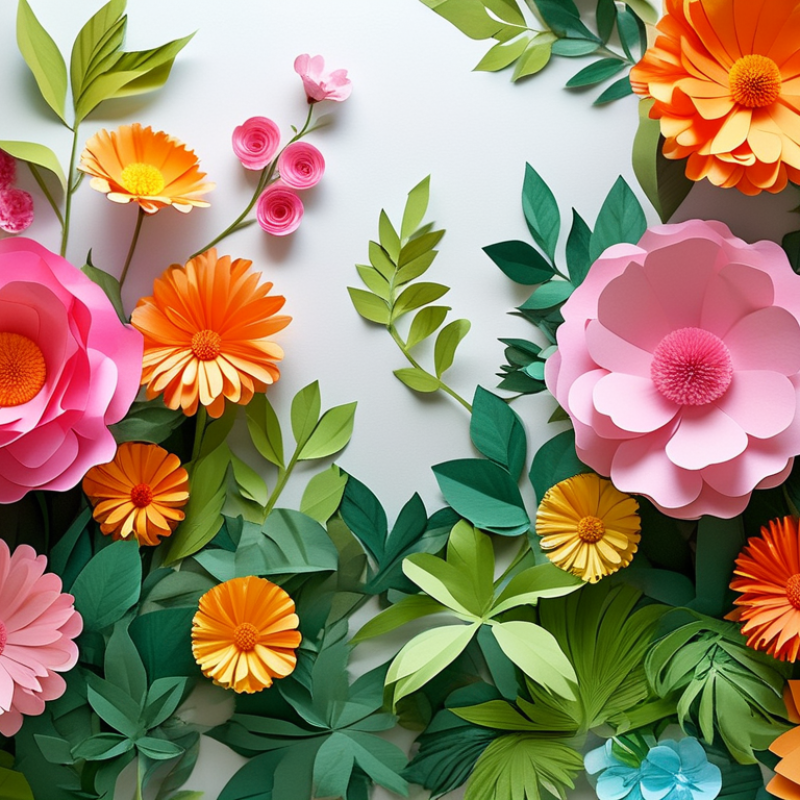
Benefits of Using Paper Flower Art in Sustainable Decor
Paper flower art offers a unique approach to sustainable decor. This art form utilizes recycled materials, reducing waste. When you choose paper flowers, you support eco-friendly practices. They require no water, sunlight, or special care. This means less environmental strain compared to real plants.
Creating paper flowers can be a fun and rewarding activity. Involve your friends or family for a crafting session. Not only do you promote sustainability, but you also bond with loved ones. Consider using old newspapers or books. This method transforms waste into beautiful decor.
Tips for using paper flowers:
- Mix different paper textures. This adds depth and interest to your arrangements.
- Experiment with colors. Choose shades that complement your space.
- Display them in unique containers. Old jars or vases can give a charming touch.
While paper flowers are beautiful, they can fade over time. It's important to refresh and replace your decor occasionally. Keep in mind that not all paper is created equal; recycled paper can vary in quality. Always check your materials for durability. This will ensure your creations last longer and stay vibrant in your home.
Environmental Impact of Paper Flowers vs. Traditional Floral Arrangements
The environmental impact of paper flowers is significantly lower than that of traditional floral arrangements. According to the Environmental Protection Agency, about 20 billion stems of flowers are cut and shipped worldwide each year. This process involves extensive water use and contributes to
carbon emissions from transportation.
Paper flowers, although not without their drawbacks, provide a sustainable alternative. They require no water or soil for growth. A study published in the Journal of Wildlife Management revealed that flowers contribute to habitat loss, while paper options are purely decorative. While some may argue that the production of paper involves deforestation, sustainable practices can mitigate this issue. Using recycled materials can reduce waste and conserve resources.
Natural flowers have a limited lifespan, typically lasting just a week. In contrast, paper creations can last for years. This longevity might lead some artisans to overlook the importance of sourcing materials responsibly. The visual appeal of well-made paper flowers can shift consumer behavior, but it's crucial to encourage sustainable sourcing habits. It’s a complex balance, but the potential for sustainability in home decor is promising.
Creative Techniques for Making Beautiful Paper Flowers
Creating beautiful paper flowers can be a delightful and rewarding experience. There are various creative techniques to explore. One popular method involves cutting petals from colorful paper. Choose vibrant hues to bring your florals to life. Experiment with multiple shapes; some flowers may look stunning with rounded edges, while others shine with sharp points.
Many artists prefer to use tissue paper for a soft, delicate finish. Layering several sheets of varying colors creates depth. Simply cut, stack, and scrunch the papers together. You can secure them at the base to shape realistic blooms. Hot glue is often used to bind pieces, but you might also experiment with sewing for a unique texture.
However, not every project turns out as planned. You might find your flowers lack the expected form or brightness. Some paper types may not hold up well, fading over time. Reflecting on your techniques is essential. It’s okay to fail and learn from your creations. Remember, every attempt is a step toward perfecting your craft. With practice, you will discover your personal style in the world of paper flower art.
10 Reasons Why Paper Flower Art Is the Perfect Sustainable Decor
| Reason |
Description |
| Eco-Friendly Material |
Made from recyclable paper, reducing waste. |
| Long Lasting |
Unlike real flowers, paper flowers stay beautiful for years. |
| Versatile Design |
Can be crafted in various shapes, sizes, and colors. |
| Customizable |
Personalized designs for any occasion or decor style. |
| No Water Needed |
Eliminates the need for watering and maintenance. |
| Cost-Effective |
Affordable materials and can be made at home. |
| No Seasonal Restrictions |
Available year-round, regardless of the season. |
| Creative Expression |
Allows for unique artistic expression and creativity. |
| Lightweight |
Easy to transport and arrange without strain. |
| Great for Allergies |
Perfect for allergy sufferers, free from pollen. |
Cost-Effectiveness of Paper Flower Decor Over Time
Paper flower decor offers a cost-effective solution that defies conventional spending on home decor. A recent industry report indicates that the market for artificial flowers, which includes paper options, has been projected to grow by 6.3% annually. This growth signals a shift towards affordable and sustainable alternatives in home decoration. Traditional fresh flowers often require ongoing maintenance and replacement, leading to recurring costs. In contrast, paper flowers provide a one-time investment that can last indefinitely, minimizing financial strain over time.
Moreover, the versatility of paper flower art allows for personalization without the hefty price tag. Crafting unique arrangements can be a fun, creative outlet. Statistics show that around 85% of consumers consider DIY decor options to be a reliable way to save money. While crafting may seem time-consuming, the end product becomes a treasured piece that elevates any space. These elements contribute to a growing interest in sustainable art forms. However, it's essential to reflect on the overall impact of these materials. Quality may vary, and not every project will come together as planned, posing a challenge for creators. Despite this, the potential savings and unique aesthetics make paper flower decor an attractive option for those mindful of their spending habits.
Cost-Effectiveness of Paper Flower Decor Over Time
Versatility and Customization of Paper Flower Art for Any Space
Paper flower art offers incredible versatility and customization that make it an ideal choice for any decor style. According to a recent report by the Creative Market, 85% of consumers prefer handmade decor for its unique aesthetic. This allows individuals to curate a space that reflects their personal tastes and style. Paper flowers can be designed in various colors, shapes, and sizes to complement any room. From elegant centerpieces to whimsical wall decor, the possibilities are endless.
Moreover, the adaptability of paper flower art means it can fit into various themes. A 2022 study published in the Journal of Interior Design noted that 70% of decorators see the value in using sustainable materials. Paper flowers not only reduce waste but can also be reused and repainted for seasonal themes.
Although the initial crafting process can be time-consuming, the outcome can transform a mundane environment into a vibrant, inviting space. However, some might struggle with the permanence of their choices, as colors may fade over time, prompting reflection on the need for updates.
Considering these elements, paper flower art prioritizes both creativity and sustainability. Tailoring designs to reflect individual flair not only enhances visual appeal but also fosters a deeper connection to the space. In a world leaning increasingly towards eco-friendly solutions, paper flowers stand out as an artistic yet practical decor choice.
FAQS
: Paper flowers have a significantly lower environmental impact. They do not require water or soil for growth.
Approximately 20 billion stems of flowers are cut and shipped worldwide each year.
No, paper flowers are purely decorative and do not contribute to habitat loss like natural flowers do.
Some may worry about deforestation, but sustainable practices and recycled materials can help reduce this issue.
Natural flowers generally last only about a week, while paper flowers can last for many years.
Yes, not every project works out as expected. Reflection on techniques is important for improvement.
Many artists use tissue paper for a soft finish. Mixing colors adds depth and interest to the flowers.
It's okay to fail. Learning from mistakes is part of the creative process. Keep practicing.
Secure layers at the base. You can use hot glue or explore sewing for unique textures.
Yes, encouraging sustainable sourcing habits is crucial, despite the longevity of paper flowers.
Conclusion
Paper flower art stands out as a sustainable decor choice due to its numerous environmental and economic benefits. Unlike traditional floral arrangements, which often contribute to waste and require resources for growing and transporting fresh flowers, paper flowers offer a long-lasting and eco-friendly alternative. They minimize environmental impact while providing a beautiful aesthetic. Additionally, the creative techniques involved in crafting paper flowers allow for endless customization, making them versatile enough to suit any space.
What makes paper flower art a sustainable decor choice? It not only saves costs over time, as these creations can be reused and repurposed, but it also empowers individuals to engage in a creative process that supports sustainability. By opting for paper flowers, decorators can ensure their spaces are not only visually stunning but also aligned with eco-conscious values.

 Arden Decor