The use of paper flowers in commercial settings has grown due to their aesthetic appeal and versatility. However, a crucial question arises: "Are paper flowers fire-retardant for commercial use?" According to industry expert Dr. Emily Carter, an advocate for safe materials in event design, “Flammability is a significant concern when using decorative items like paper flowers.”
Studies show that not all paper flowers are created equal. Many are made from standard paper that is highly flammable. This poses safety risks in environments where fire safety is paramount, such as theaters, restaurants, and event spaces. Additionally, even if a product claims to be fire-retardant, it is essential to verify the testing standards applied.
Suppliers must provide clear information on the products they offer. Understanding the treatment processes used to enhance fire resistance is vital. While some manufacturers do take necessary precautions, the lack of consistency in materials makes it challenging for businesses. Consumers should deeply consider safety standards when purchasing decorative items. Overlooking this aspect could lead to dire consequences.
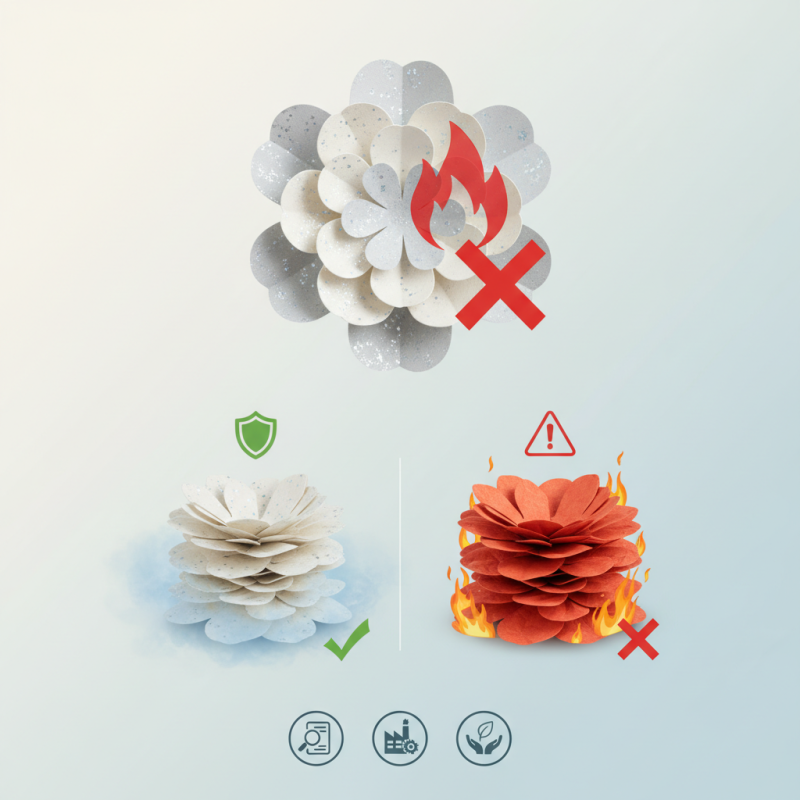
Are Paper Flowers Fire Retardant for Commercial Use?
Paper flowers have gained popularity for their aesthetic appeal in commercial spaces. However, a significant concern remains: Are they fire retardant? According to the National Fire Protection Association (NFPA), synthetic materials and untreated paper products pose significant fire risks. In commercial settings, the need for fire safety measures is critical, especially in public places like theaters and event venues.
Industry reports indicate that many paper flower products are not treated with fire retardant chemicals. This means they can ignite easily and promote the spread of flames. In a 2022 study by the Fire Safety Research Institute, untreated paper burns at a higher rate than most textiles. The study showed that untreated materials can catch fire within seconds, increasing risks for both property and lives.
Some manufacturers do offer fire-retardant options, but they're not universally available. It is important for commercial buyers to inquire about certifications and safety testing. Awareness of fire safety ratings is crucial in preventing potential disasters. Also, businesses should consider using fire retardant treatments on paper flowers if they are planning to use them as décor.
Understanding Fire Retardancy Standards for Decorative Materials
In recent years, the use of decorative materials in commercial spaces has gained attention, especially regarding their fire safety attributes. Fire retardancy standards, such as those set by ASTM E84, play a crucial role in evaluating materials like paper flowers. These standards assess how materials react to flames and smoke, which is vital for public safety. For instance, products that receive a Class A rating can greatly reduce the risk of spreading flames.
However, paper flowers, regardless of their aesthetic appeal, have inherent flammability. A study by the National Fire Protection Association noted that paper materials contribute significantly to fire loads in interiors. Understanding the specific fire retardant treatments available can help mitigate risks. While some treatments claim to improve fire resistance, their effectiveness may vary widely, demanding a careful evaluation of certifications and testing results.
Not all decorative materials meet stringent fire safety standards. A report from the International Code Council highlights recurring issues with non-compliant products in commercial use. Buyers must seek comprehensive information about each product's fire safety characteristics. This diligence ensures that their choices align with safety regulations and minimizes the risk of fire hazards in public settings.
Composition of Paper Flowers: Assessing Flammability Risks
When considering paper flowers for commercial use, understanding their flammability is crucial. Most paper flowers are crafted from various types of paper, often treated with dyes and adhesives. These materials can influence how quickly they ignite. Even if a flower looks beautiful, its risk of catching fire can be high.
To assess the flammability risks, one should consider the composition. Some paper types are more combustible than others. A flower made from recycled paper may behave differently in a fire than one crafted from treated paper. The environment also plays a role; humidity and temperature can affect how these materials respond to flames.
**Tips:** Always check if the paper has been treated with flame retardant coatings. If you’re using paper flowers in a venue, ensure there's proper fire safety equipment nearby. Consider alternatives like silk or synthetic materials, which may be less flammable. Always reflect on the potential hazards of using paper flowers in high-risk areas.
Are Paper Flowers Fire Retardant for Commercial Use? - Composition of Paper Flowers: Assessing Flammability Risks
| Paper Type |
Composition |
Flammability Rating |
Fire Retardant Treatment |
Usage Recommendations |
| Kraft Paper |
Wood pulp |
Medium (B) |
No |
Suitable for indoor decoration |
| Tissue Paper |
Recycled fibers |
High (C) |
Yes |
Avoid direct flame exposure |
| Cardstock |
Wood-based, thicker pulp |
Low (A) |
Yes |
Safe for indoor and outdoor use |
| Crepe Paper |
Wood pulp, stretched fibers |
Medium (B) |
No |
Recommended for temporary displays |
Industry Practices: Fire Safety Regulations for Commercial Decorations
Fire safety regulations are critical for commercial decorations, especially for those using paper flowers. According to the National Fire Protection Association (NFPA), more than 3,000 structure fires in the U.S. involve decorations. These fires can lead to significant property loss and endanger lives. The hospitality industry, often utilizing decorative elements, must prioritize fire safety. Ensuring that decorative items are compliant with the relevant fire codes is essential.
Many industry professionals recommend using flame-retardant treatments for paper products. However, not all treatments provide the same level of protection. Some studies indicate that untreated paper can ignite easily, while treated options may significantly reduce flammability. The California Fire Marshal's Office has established guidelines indicating that any decoration used in commercial spaces must meet specific fire safety standards.
Implementing fire retardant measures is not just a formality. It requires continuous evaluation and education. Businesses must stay updated on regulations and best practices. Responsible sourcing of materials and proper installation techniques must be considered. This is a constant challenge in the fast-paced environment of commercial decor. Balancing aesthetics with safety is a complex yet necessary task to ensure compliance and protect lives.
Testing Methods for Evaluating the Fire Retardancy of Paper Flowers
Testing paper flowers for fire retardancy is crucial for commercial use. This ensures safety in various environments, such as events and venues. Different methods exist to evaluate fire resistance, each with its strengths and weaknesses.
One common approach is the flame test. This involves exposing paper flowers to a controlled flame and observing how they react. Observers check how quickly they catch fire and how long they burn. Another method is using a heat source to simulate real-life conditions. This helps assess how the materials react over time.
Results vary based on the type of paper used. Some papers have inherent resistance, while others may need treatments. The outcome is not always consistent. Testing inconsistencies need addressing for reliable results. Environmental factors could also influence fire behavior. Fire retardancy testing requires careful planning and methodical execution to ensure accurate assessments.
Comparative Analysis: Paper vs. Synthetic Flowers in Fire Safety
When it comes to fire safety in commercial spaces, the choice between paper and synthetic flowers is crucial. Paper flowers often present a higher fire risk due to their flammable nature. In contrast, many synthetic flowers are treated with fire-retardant chemicals. This treatment significantly reduces their likelihood of catching flames. However, not all synthetic options are equally safe, and some still pose risks.
The materials used play a vital role in fire performance. Paper flowers, typically made from lightweight materials, can ignite quickly when exposed to heat. They do not offer the same protective measures as certain synthetic varieties. On the other hand, synthetic options can vary widely in quality. Some may not meet safety standards, making consumer education essential.
Despite the advantages of synthetic flowers, their compositions can sometimes be misleading. Questions arise regarding the effectiveness of fire-retardant treatments. It’s important for buyers to ask about certifications and safety tests. Understanding the nuances between these options is vital for informed decision-making. Ultimately, businesses should prioritize safety while also considering aesthetic needs.
Conclusion
The article titled "Are Paper Flowers Fire Retardant for Commercial Use?" explores the critical aspects of fire safety concerning decorative materials, particularly focusing on paper flowers. It begins by outlining the relevant fire retardancy standards that govern decorative items used in commercial settings, emphasizing the importance of compliance for safety and liability. The composition of paper flowers is assessed to evaluate their flammability risks compared to synthetic alternatives, highlighting the inherent vulnerabilities associated with organic materials.
Furthermore, the article delves into industry practices regarding fire safety regulations for commercial decorations, along with various testing methods employed to determine the fire retardancy of paper flowers. A comparative analysis between paper and synthetic flowers in terms of fire safety underscores the need for careful consideration in commercial applications. Ultimately, the article seeks to answer the pressing question: "Are paper flowers fire-retardant for commercial use?" by providing a comprehensive overview of their safety and compliance in the context of fire prevention.

 Arden Decor