Storing large paper flowers after an exhibition can be a challenge. Expert florist, Sarah Thompson, emphasizes, “Proper storage ensures the longevity of your creations.” Many artists face common dilemmas when preserving their work. The right methods can make all the difference.
Humidity and temperature play crucial roles in storage. A dry, cool environment is ideal. Ensure the flowers are kept away from direct sunlight, which may fade colors. Consider using acid-free tissue paper to wrap delicate petals. This adds protection and prevents crushing during storage.
It's important to regularly check on your flowers. Over time, some might lose their shape. Reflecting on your storage techniques can lead to improvements. Learning how to store large paper flowers after an exhibition is an evolving skill, and even seasoned artists can discover better ways.
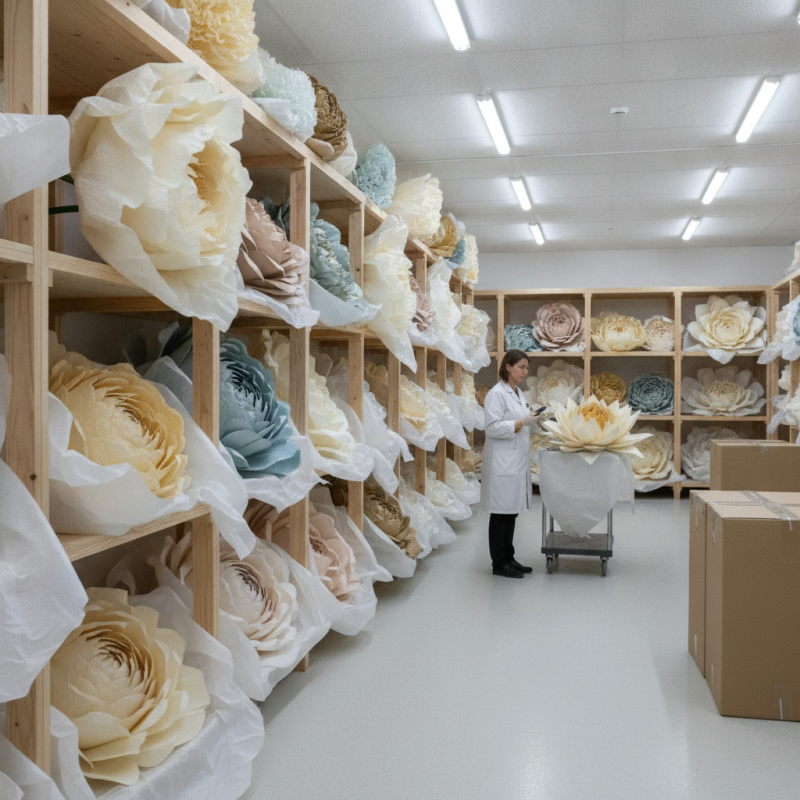
Choosing the right storage location for large paper flowers is crucial for their longevity. Research shows that humidity levels above 60% can cause paper to warp or mold. A climate-controlled environment is ideal to prevent such damage. Consider using a room with stable temperature and low humidity.
Light exposure can also degrade paper flowers. UV light can fade colors, affecting their appearance. Store your flowers in a dark space or use protective coverings. A sturdy box can shield them from dust and light, ensuring they remain vibrant for future use.
Don't overlook airflow. Storing flowers in a tightly sealed area can cause condensation buildup. This leads to potential mold issues. Opt for a breathable storage solution that allows air circulation. Regularly inspect the flowers for any signs of deterioration. A little maintenance goes a long way in preserving their beauty.
| Storage Location | Temperature Range (°C) | Humidity Level (%) | Recommended Storage Duration | Additional Tips |
|---|---|---|---|---|
| Climate-Controlled Room | 18 - 22 | 40 - 60 | Up to 1 year | Keep out of direct sunlight |
| Closet or Storage Shed | 15 - 25 | 30 - 50 | 3 - 6 months | Use acid-free tissue paper for protection |
| Attic or Basement | 10 - 20 | 30 - 70 | Less than 3 months | Monitor temperature and humidity levels |
| Display Cases | 18 - 22 | 40 - 60 | Indefinitely with care | Limit exposure to air and dust |
When it comes to storing large paper flowers, cleaning and disassembly are essential steps. Start by gently dusting your flowers with a soft cloth. This removes debris and ensures they remain pristine. Be careful during this process. Overzealous cleaning might damage delicate petals.
Disassembling larger flowers helps minimize wear during storage. Carefully remove any detachable parts, using scissors if necessary. Keep small pieces in labeled bags for easy reassembly later. After disassembly, lay the petals flat between sheets of acid-free paper. This prevents bending or creasing.
**Tips:** Always handle the flowers with clean hands to avoid transferring oils. Consider storing the flowers in a sturdy cardboard box to shield them from light and moisture. Remember, improper storage can lead to unexpected creases that might be hard to fix later.
When storing large paper flowers post-exhibition, protective materials are essential. These flowers are often delicate and can be damaged easily. According to industry reports, up to 30% of paper craft items experience deterioration due to improper storage. This highlights the need for careful attention to how we store these artistic pieces.
Using acid-free tissue paper is one effective method. Wrap each flower gently without applying pressure. Acid-free materials prevent discoloration and degradation over time. Another option is using cardboard boxes. These should be slightly larger than the flowers. Ensure that the boxes are clean and dry. Moisture can lead to mold and mildew, which can ruin your flowers. Experts recommend placing silica gel packets inside the boxes. These packets absorb excess moisture, providing a safe environment for your creations.
In addition, consider the climate where the flowers will be stored. High humidity can also impact the quality of paper flowers. Temperature fluctuations can cause them to warp. Data shows that maintaining a consistent climate can extend the lifespan of delicate paper art. Therefore, a cool, dark space away from direct sunlight is ideal for storing large paper flowers.
Organizing storage space for large paper flowers requires thoughtful planning. Many artists face challenges in preserving these intricate creations. According to industry reports, nearly 45% of artists report issues with damage during storage. Proper organization minimizes this risk.
Start by assessing your available space. Allocate specific areas for different sizes and colors of flowers. Use labeled boxes or containers to ensure easy identification. Group flowers by their type and usage, whether for exhibitions or personal projects. This approach not only saves time but also preserves the flowers by reducing handling.
Consider using protective materials like acid-free tissue paper. This can gently cushion flowers and prevent crushing. Regular checks on your storage environment are vital. Humidity and temperature fluctuations can cause deterioration. Reports indicate that over 30% of paper art suffers from environmental damage. Maintaining a stable environment can significantly enhance the longevity of your creations.
When caring for large paper flowers after an exhibition, regular maintenance is vital to their longevity. Research indicates that improperly stored paper decorations can lose their vibrancy within just a few months. Maintaining the right environmental conditions is essential. Ideal storage involves a cool, dry place with minimal light exposure. UV rays can quickly fade the colors, so consider using acid-free boxes for protection.
Humidity is another enemy of paper flowers. Keeping relative humidity below 50% is recommended. High humidity can cause warping and mildew. Monitoring these conditions is crucial. Regular checks every month can prevent long-term damage. If you notice any signs of deterioration, address them immediately.
Additionally, periodic dusting is beneficial. A soft brush can help remove dust without damaging the delicate petals. A thorough inspection every few months will allow you to spot any potential issues. Documenting the condition of your flowers can also provide insights into your cleaning and storage techniques over time. This reflective approach can lead to better care strategies in future exhibitions.
: Use protective materials like acid-free tissue paper to wrap each flower gently.
Acid-free paper prevents discoloration and degradation over time, preserving the flowers' appearance.
Cardboard boxes slightly larger than the flowers are recommended. Ensure they are clean and dry.
Place silica gel packets inside the boxes. They absorb excess moisture and prevent mold.
Keep flowers in a cool, dark space. Avoid high humidity and protect them from direct sunlight.
Regular checks every month help catch any signs of deterioration early.
Periodic dusting with a soft brush can help maintain their appearance without damage.
Yes, temperature changes can cause warping. A stable environment is essential for longevity.
Address any signs of deterioration immediately to prevent further issues.
Document the condition of your flowers regularly. Reflecting on this can enhance future care strategies.
When considering how to store large paper flowers after an exhibition, it's essential to follow a systematic approach to ensure their longevity. Start by choosing the right storage location that is dry and free from direct sunlight to prevent fading and damage. Preparing the flowers for storage involves careful cleaning and possibly disassembling them to minimize bulk and protect delicate parts.
Utilizing protective materials such as acid-free tissue paper or cardboard can further safeguard the flowers from environmental factors. It's important to organize your storage space for easy access, allowing for quick retrieval when needed. Finally, implement regular maintenance tips by checking the condition of the stored flowers periodically, which will help prolong their life and keep them looking vibrant for future displays.

Arden Decor