In recent years, a unique trend has emerged within luxury brand marketing. Paper flowers, once seen as simple crafts, are now gracing high-end displays and advertisements. This begs the question, "Why are paper flowers becoming popular in luxury brand marketing?"
Luxury brands seek to differentiate themselves in a crowded market. Paper flowers offer a striking visual appeal. They provide an eco-friendly alternative to traditional floral arrangements, aligning with the growing demand for sustainability. In addition, they evoke a sense of craftsmanship and elegance. Customers appreciate the artistry involved in creating these intricate designs.
While many brands have embraced this trend, not all have executed it flawlessly. Some campaigns fail to connect authentically with their audience. The use of paper flowers must feel genuine, not merely a marketing gimmick. Brands should reflect on their messaging and ensure it resonates deeply with their values. Thus, the rise of paper flowers in luxury marketing also challenges brands to innovate while remaining true to their identity.
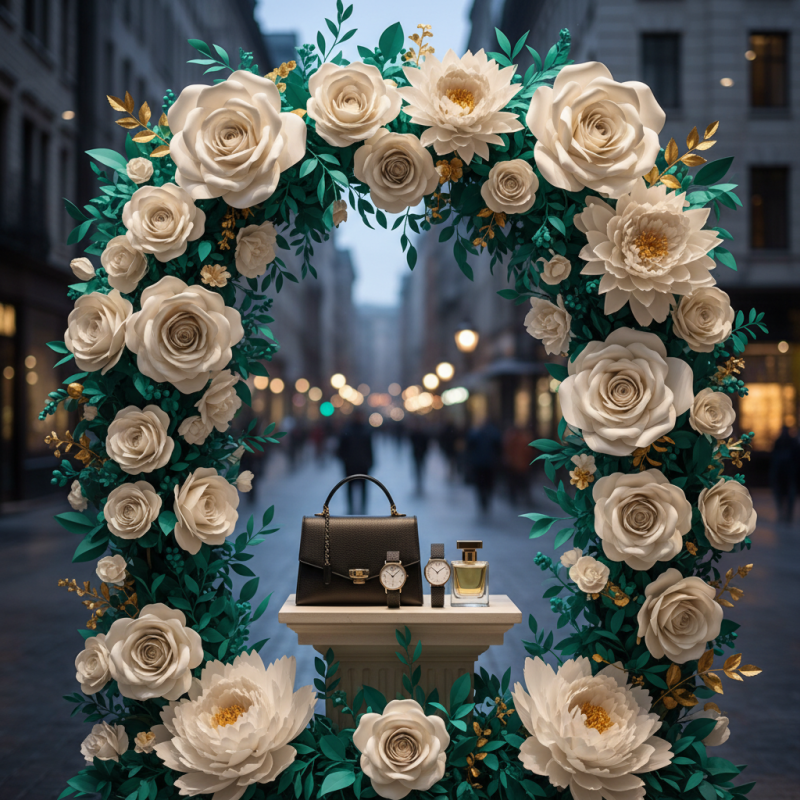
The Shift to Sustainability in Luxury Brands
Luxury brands are embracing paper flowers as a sustainable alternative to real blooms. A recent report by McKinsey highlights that 70% of consumers under 40 prefer brands with strong sustainability practices. Paper flowers align perfectly with this demand, offering beauty without environmental harm. Unlike traditional flowers, paper flowers do not require water, pesticides, or excessive transport. This significantly reduces the carbon footprint throughout the supply chain.
Moreover, the luxury market is shifting to materials that are recyclable and biodegradable. According to a 2023 Deloitte survey, 65% of luxury buyers said eco-friendly packaging influences their purchases. Paper flowers can be crafted from recycled or sustainably sourced paper, which enhances the brand’s eco-credentials. However, there is room for improvement. Not all paper flowers are created equally; some still rely on plastic coatings or synthetic adhesives. This inconsistency challenges the overall sustainability narrative.
Crafting paper flowers also allows for artistic expression and customization with less waste. Luxury designers can innovate with color, texture, and form in ways real flowers cannot. But, does this trend risk losing the natural charm people associate with fresh blooms? The industry must balance sustainability with maintaining the authentic luxury experience. The shift towards paper flowers is promising but requires continuous efforts to ensure true environmental impact.
The Art of Craftsmanship: The Appeal of Handmade Paper Flowers
In the world of luxury branding, handcrafted items command attention. Handmade paper flowers represent a unique blend of art and craftsmanship. These delicate creations require skilled artisans who pour their creativity into each piece. The labor-intensive process often highlights the imperfections found in nature, capturing the essence of real flowers.
According to industry analysis from the Craft & Hobby Association, the demand for handmade goods has surged. In 2022, the market for handmade paper products grew by 30%. This growth reflects a shift toward authenticity and individuality in consumer preferences. Buyers appreciate the stories behind each flower and the time spent creating them. The tactile quality of these flowers creates a sensory experience that synthetic alternatives cannot replicate.
Moreover, a report from Statista shows that the art of craftsmanship is increasingly favored by 70% of luxury consumers. They seek items that signify exclusivity and personal touch. In an era dominated by mass production, handmade paper flowers challenge the notion of perfection. They invite consumers to engage with their imperfections, making each piece truly one-of-a-kind. The allure of these flowers lies in their ability to evoke emotions and memories, resonating with those who value artistry over uniformity.
Versatility in Design: Paper Flowers in Various Luxury Applications
Paper flowers are rapidly gaining popularity in luxury design due to their outstanding versatility. These creations can adapt to various styles, making them suitable for diverse applications. From elegant bridal bouquets to striking wall installations, paper flowers offer something unique. The variety in colors and textures allows designers to craft visually stunning pieces tailored to specific themes.
Imagine a sleek, modern wedding adorned with delicate paper blooms. The result is both beautiful and budget-friendly.
In addition to aesthetics, the lightweight nature of paper flowers facilitates innovative installations. They can be easily manipulated to fit different environments. Whether it's a luxury event or a retail space, these flowers can transform the atmosphere. However, the challenge lies in achieving a balance between art and practicality.
Strikingly realistic designs require skillful craftsmanship and a keen eye for detail. This can sometimes lead to inconsistent results, prompting creators to rethink their approach.
Ultimately, the rise of paper flowers in luxury applications reflects a shift towards sustainable options in design. Although they may lack the natural charm of fresh blooms, paper flowers provide an opportunity for creativity and experimentation. Designers must continue refining their techniques while embracing the imperfections that come with handmade artistry. In this journey, the quest for innovation remains at the forefront, encouraging a deeper exploration of this captivating medium.
Cost-Effectiveness: Balancing Quality with Budget in Luxury Marketing
Paper flowers are gaining popularity in luxury marketing due to their cost-effectiveness. These artificial blooms offer an attractive alternative to traditional floral arrangements. High-quality paper flowers can mimic the look of real ones while being much more affordable. Brands can allocate budgets towards other impactful aspects of their marketing strategies.
Using paper flowers can also reduce waste, making them environmentally sustainable. In an era where eco-consciousness matters, this resonates well with consumers. A luxe feel can be achieved without breaking the bank. Choose vibrant colors and intricate designs to enhance the overall aesthetic.
Tip: When using paper flowers in displays, consider varying heights and textures. This creates depth and visual interest. Don't hesitate to incorporate different materials alongside paper flowers. Mixing elements can lead to unique arrangements, adding character to your brand's image. Remember, the goal is to maintain elegance while staying within budget. Embrace the challenge of creativity in your designs.
Top 5 Reasons Paper Flowers are Trending in Luxury Brands
| Reason |
Cost-Effectiveness |
Quality Balance |
Sustainability |
Customization |
| Aesthetic Appeal |
Lower production costs compared to fresh flowers |
Maintains an luxurious appearance |
Eco-friendly materials used in production |
Unique designs tailored to brand identity |
| Durability |
Reusability leads to cost savings over time |
Quality materials ensure longevity |
Reduces wastage compared to fresh flowers |
Adaptable shapes and sizes for specific events |
| Versatility |
Cost-effective for various occasions |
High-quality craftsmanship |
Supports ethical sourcing practices |
Easy to modify for seasonal trends |
| Innovative Marketing |
Affordability helps reach broader audiences |
Combines luxury feel with smart pricing |
Minimal environmental impact |
Creative expressions of branding |
| Cultural Trends |
Lower prices appeal to the luxury market |
Identical look to natural flowers |
Promotes sustainability across industries |
Aligns with consumer preferences for personalization |
Creating Lasting Impressions: Unique Brand Storytelling through Paper Flowers
In the competitive world of luxury branding, unique storytelling creates a memorable impact. Paper flowers have emerged as a remarkable medium for brands to express their identity. These intricate creations, often handcrafted, showcase artistry and attention to detail. The use of paper flowers allows brands to communicate a narrative that resonates deeply with their audience.
Each paper flower carries a story. It can symbolize sustainability, creativity, or even cultural heritage. Brands are tapping into this potential. They personalize these floral designs, integrating them into their packaging and events. This transforms ordinary experiences into extraordinary ones. Customers feel a connection, not just to a product, but to a brand's ethos.
However, not every brand executes this perfectly. Some struggle to align their messaging with the aesthetic of paper flowers. A disconnect can occur if the story doesn't match the product or audience. Brands must reflect on their approach. Genuine engagement is essential. Skipping this introspection can lead to missed opportunities and diluted brand narratives. Success lies in authentic representation. This is where paper flowers can truly shine, conveying deeper meanings and lasting impressions.
Conclusion
The rising popularity of paper flowers in luxury brand marketing can be attributed to several compelling factors. Firstly, the shift towards sustainability is reshaping consumer preferences, as brands seek eco-friendly alternatives that reflect a commitment to environmental responsibility. Meanwhile, the meticulous craftsmanship involved in creating handmade paper flowers appeals to customers who value artistry and authenticity, adding a unique touch to luxury products.
Moreover, paper flowers offer remarkable versatility, finding applications in various luxury marketing strategies—from packaging to event decor—allowing brands to enhance their aesthetic appeal. They also present a cost-effective solution, enabling brands to balance high-quality presentation with budget considerations. Finally, paper flowers serve as a creative storytelling medium, helping brands create lasting impressions and connect emotionally with consumers. This combination of factors illustrates why are paper flowers becoming popular in luxury brand marketing, positioning them as a distinctive trend within the industry.

 Arden Decor