Can Paper Flower Decorations Be Recycled or Reused?

Time:2026-09-18 Author:Sophia
0%

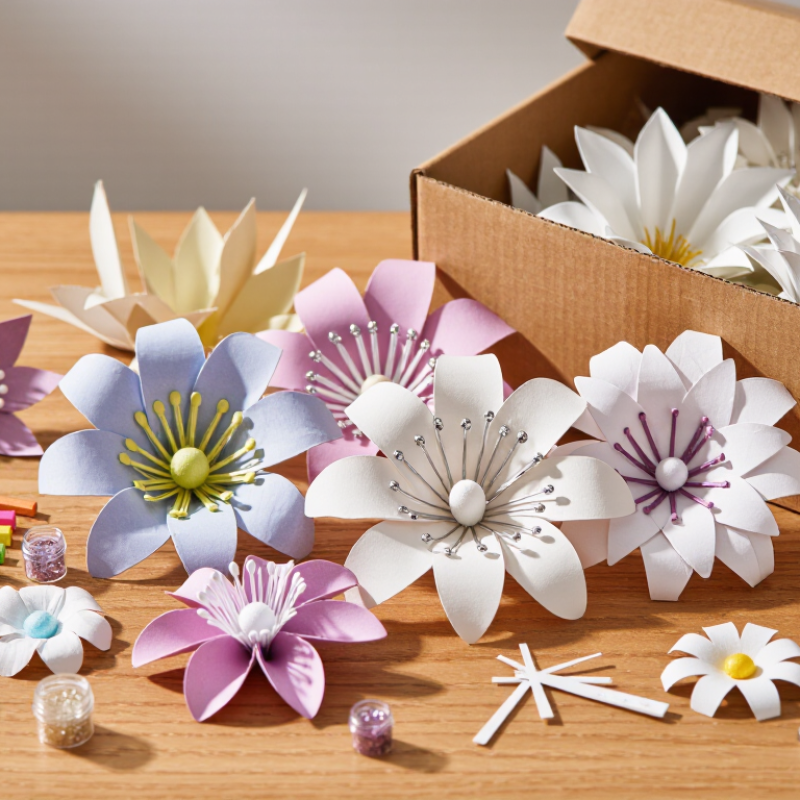
Can paper flower decorations be recycled or reused? The answer depends on their paper type, coatings, adhesives, and decorative additions. A handmade flower made from clean, uncoated paper may enter some recycling systems. Glitter, plastic stems, wire, foam, paint, and laminated surfaces can change that result. The flower may look simple. Its material mix is not.

Industry data shows why this question matters. The U.S. Environmental Protection Agency reported that paper and paperboard represented about 67.4 million tons of municipal solid waste in 2018. Its recycling rate reached approximately 68.2 percent. The American Forest & Paper Association reported a U.S. paper recycling rate of 60.8 percent in 2023. These figures describe paper generally, not decorative flowers specifically. Local collection rules still decide the outcome.

Ellen MacArthur, founder of the Ellen MacArthur Foundation, states, “A circular economy aims to keep products and materials in use.” That principle suits paper flowers well. Reuse often provides the best environmental benefit before recycling. Store them flat in a dry box, repair crushed petals, and redesign them for another event. A flower used five times may avoid five replacement purchases. Still, this is not automatically sustainable. Shipping, synthetic coatings, and discarded embellishments can undermine the benefit. A careful evaluation should inspect each component, not only the visible paper. Some decorations are recyclable. Some are reusable. Some require honest reconsideration.
Can Paper Flower Decorations Be Recycled or Reused?

What Paper Flowers Contain: Fibers, Coatings, Adhesives, Wire, and Plastic

Can Paper Flower Decorations Be Recycled or Reused?

Paper flowers often look recyclable, but their materials can be surprisingly mixed. The petals usually contain paper fibers, sometimes made from virgin pulp or recycled paper. Thin coatings may add shine, color, or moisture resistance. These coatings can reduce fiber recovery during pulping.

Adhesives create another problem. Glue joins folded petals, centers, and stems, but it also bonds fibers to non-paper parts. Small amounts may be tolerated by some recycling systems. Large glue patches can cause contamination. Wire stems should be removed before recycling. Plastic beads, foam centers, and clear films need separate handling. They do not belong in a paper bin.

I have reused paper flowers for table displays and classroom projects. Careful storage helps. Keep them dry, flat, and away from direct sunlight. A bent petal can often become a smaller flower or a gift decoration.

That shortcut was wrong. I once placed coated flowers with ordinary paper, and the local facility rejected them. Now I check the material list, test a hidden section, and ask the recycling center for current guidance.

If the decoration contains only clean, uncoated paper, recycling may be possible. Remove wire, plastic, and heavy adhesive first. When separation is difficult, reuse is often more practical.

Some flowers can become collage pieces, package filler, or seasonal ornaments. Damaged parts still deserve inspection. A tiny plastic center can change the entire disposal choice.

EPA Data: 68.2% of U.S. Paper and Paperboard Was Recycled in 2018

Can Paper Flower Decorations Be Recycled or Reused?

The U.S. Environmental Protection Agency reported a 68.2% recycling rate for paper and paperboard in 2018. That represented about 46.9 million recovered tons. The figure covers broad paper streams, not handmade decorations alone. Still, it shows paper can retain value after use.

A paper flower may be recyclable when it is clean, dry, and made from plain paper. Remove plastic stems, wire, foam, ribbons, and heavy glitter first. Flatten the petals before placing them with accepted paper. Local programs differ. Some reject small pieces because they fall through sorting equipment. Check your community’s collection guidance.

Reuse often works better. Fold the flowers into gift toppers, classroom displays, or seasonal garlands. Store them flat in a dry box. A slightly crushed petal can become part of a layered design. Not perfect. That is acceptable.

The American Forest & Paper Association reported a U.S. paper recycling rate of 60.8% in 2023, based on recovered paper data. This later figure reminds us that recycling performance changes over time. It also warns against treating one national percentage as a guarantee for every decoration. Adhesive residue, food stains, and metallic coatings can reduce recovery options. In my experience, simple paper designs survive reuse longer than heavily decorated ones. Designing for disassembly helps. A removable stem is more useful than a permanent one.

Separate Clean Paper from Glitter, Laminates, Foam, Wire, and Plastic

Can Paper Flower Decorations Be Recycled or Reused?

Paper flower decorations can often be reused, but recycling depends on their exact materials. In my experience, clean, dry, uncoated paper is the easiest part to recover. Flatten petals gently and remove tape, glue-heavy sections, and food stains. A little dust is manageable; wet or greasy paper usually is not. Check local recycling guidance, because paper mills accept different grades.

Separate every non-paper attachment before disposal. Glitter should be removed when possible, since bonded glitter can contaminate paper fibers. Laminated petals have a plastic film and may belong in general waste, not paper recycling. Foam centers, plastic beads, and synthetic ribbons also need separate handling. Pull out wire stems with pliers, then reuse the wire for crafts or place it according to local metal rules. Be careful: hidden staples can remain.

Tips: Store dry flowers in a box and reshape crushed petals with clean hands. Reuse whole decorations for gift wrapping, classroom displays, or seasonal table settings. If pieces are glued tightly, do not force them. That may damage recyclable paper and cause injuries. I sometimes misjudge mixed materials, so I check each layer under bright light. The most responsible choice is not always recycling; careful reuse can extend the decoration’s life.

Can Paper Flower Decorations Be Recycled or Reused?
Separating Clean Paper from Glitter, Laminates, Foam, Wire, and Plastic
Material or Component Typical Recycling Status What to Do Before Recycling Reuse Opportunities Recommended End-of-Life Route
Clean, dry, uncoated paper Generally recyclable where local paper collection accepts the grade. Remove tape, staples, wire, plastic, foam, glitter, and other non-paper parts. Keep it dry and reasonably clean. Flatten and store for future crafts, gift decoration, classroom projects, cards, or seasonal displays. Place in the local paper-recycling stream after checking local collection rules.
Colored or printed paper Usually recyclable; ordinary inks are commonly handled in paper recycling. Remove attached decorations and separate any paper that is heavily soiled, waxed, or plastic-coated. Reuse intact petals and sheets for layered flowers, collage work, bookmarks, or packaging filler. Recycle with mixed paper or cardboard if accepted locally.
Glossy, laminated, or plastic-coated paper Often not accepted in standard paper recycling because the coating can interfere with fiber processing. Do not place it with recyclable paper unless the local program specifically accepts that type. Remove detachable paper sections when practical. Use again for durable decorations, gift tags, table arrangements, or moisture-resistant craft templates. Use a specialty collection if available; otherwise place in general waste according to local guidance.
Glitter or glitter glue Normally not recyclable when bonded to paper; loose glitter is also a contamination concern. Do not shake glitter into sinks or outdoor areas. Separate clean paper only if it can be removed without excessive residue. Reuse the complete decoration for displays, costumes, photo backdrops, or craft lessons. Place glitter-contaminated pieces in general waste unless a local specialty program states otherwise.
Craft foam or foam sheets Not accepted in most curbside paper programs; many craft foams are difficult to recycle locally. Remove foam from the paper flower. Keep reusable scraps clean and dry. Reuse for centers, leaves, templates, costume details, bulletin-board art, or padding for fragile items. Check for a dedicated foam drop-off; if unavailable, use general waste.
Metal wire or pipe-cleaner stems Not suitable for paper recycling; bare metal may be recyclable through scrap-metal channels. Remove from paper. Avoid placing loose wire in curbside recycling because it can damage sorting equipment. Bend and reuse as stems, wreath supports, floral frameworks, or craft armatures. Take clean bare wire to a scrap-metal collector if available. Dispose of coated or mixed-material wire as locally directed.
Plastic beads, ribbons, tape, or film Do not include with paper; acceptance varies widely by plastic type and collection system. Separate all plastic parts from the paper. Keep only items that are clean and clearly accepted by a local plastic program. Reuse ribbons, beads, and plastic shapes in new decorations, gift wrapping, or classroom craft kits. Use a specified plastic drop-off where available; otherwise follow local general-waste guidance.
Adhesives and adhesive residue Small amounts may be tolerated, but large glue areas, foam tape, and plastic-backed tape can make paper unsuitable. Remove tape and detachable adhesive-backed parts. Do not wet or chemically treat the paper to remove glue. Reuse the flower as a complete item if it remains clean, stable, and safe to handle. Recycle only if the remaining paper meets local requirements; otherwise use general waste.
Soiled, wet, moldy, or food-contaminated paper Generally not recyclable because moisture and contamination reduce fiber quality. Keep contaminated pieces out of the paper-recycling bin. Do not mix them with clean paper. Reuse only if the material can be safely cleaned and fully dried without damage. Follow local composting rules for plain, untreated paper; otherwise use general waste.
Practical sorting rule: Separate the decoration into individual materials first. Recycle only clean, dry, accepted paper; reuse mixed-material flowers whenever possible; and keep glitter, laminates, foam, wire, and plastic out of the paper-recycling stream.

Prepare Recyclable Parts by Removing Contaminants and Nonpaper Materials

Paper flower decorations can often be reused, but recycling depends on their actual materials.

Clean, dry paper is the best starting point. Remove ribbons, wire stems, plastic beads, foam centers, and metal clips. These pieces belong in separate reuse or disposal streams. Do not place the whole decoration in a paper bin. Contamination can reduce the value of an otherwise recyclable batch.

A small check matters.

Open each flower gently and inspect the petals, leaves, and base. Shake off loose glitter, confetti, dust, and food crumbs over a waste container. Cut away tape, laminated sections, waxed paper, and heavy adhesive patches.

If glue has soaked through the paper, that section may not be accepted by local paper recyclers. Keep it out. Some facilities reject glittered paper entirely, even when the glitter looks minimal. Confirm local collection rules, because equipment and accepted grades differ by area.

Reuse clean pieces for gift tags, classroom craft projects, or drawer decorations. Store them flat in a dry box. I have found that separating parts during takedown takes longer, yet it prevents rushed sorting later.

Perfect separation is not always possible. A tiny adhesive spot may remain. In that case, choose reuse instead of recycling when the paper still has strength.

For recycling, flatten the paper, remove loose nonpaper fragments, and keep it dry. Never add wet or moldy pieces. A careful final inspection makes the material easier to process.

Reuse First: Store, Repair, Donate, or Repurpose Paper Flowers Before Recycling

Paper flower decorations can often enjoy a second life before entering the recycling bin. Store them in a shallow box with tissue paper between the petals. Keep the box dry and away from direct sunlight, which can fade delicate colors and weaken folded edges. I once packed flowers too tightly, and several petals came out permanently creased. That mistake taught me to leave breathing space.

Repair small damage with a narrow strip of paper glue or a matching paper tab. Replace crushed centers with spare paper, dried leaves, or clean cardboard. If you no longer need the decorations, donate them to a school, community group, or someone planning a celebration. You can also repurpose them as gift toppers, wall art, scrapbook pieces, or colorful drawer labels. Not every flower needs saving. Some are already too dusty or torn.

Tips: Remove tape, glitter, plastic stems, and metal wire before recycling. These materials may require different disposal methods. Flatten clean paper flowers gently, but do not recycle pieces stained with food, oil, or wet paint. Check your local recycling guidance, because accepted paper types vary. When uncertain, reuse one more time. A small wreath can become several gift decorations. A failed repair is still useful feedback.

Can Paper Flower Decorations Be Recycled or Reused?

Reuse first: store, repair, donate, or repurpose paper flowers before recycling them.

The chart shows the U.S. paper and paperboard recycling rate reported by the U.S. Environmental Protection Agency. Recycling increased from 63.5% in 2010 to 68.2% in 2018, but extending the useful life of decorative paper items can reduce the need for new materials before recycling becomes necessary.

Source: U.S. Environmental Protection Agency, National Overview: Facts and Figures on Materials, Wastes and Recycling.

FAQS

What materials are commonly found in paper flower decorations?

Petals usually contain paper fibers, from virgin pulp or recycled paper. Some flowers also include coatings, glue, wire, plastic beads, foam, or clear film. Mixed materials complicate recycling.

Can clean paper flowers go into a paper recycling bin?

Sometimes. Recycling may be possible when flowers are clean, dry, and uncoated. Remove wire, plastic, glitter, and heavy adhesive first. Check local guidance.

Why can coatings affect paper recycling?

Thin coatings may add shine, color, or moisture resistance. They can reduce fiber recovery during pulping. Laminated petals contain plastic film and may need general waste handling.

How should wire stems be handled?

Pull out wire stems carefully with pliers. Hidden staples may remain. Reuse the wire for crafts or follow local metal disposal rules.

What should happen to plastic, foam, and glitter parts?

Separate plastic beads, foam centers, synthetic ribbons, and clear films. These materials do not belong in a paper recycling bin. Bonded glitter may contaminate paper fibers.

Is reuse better than recycling for mixed-material flowers?

Often, yes. Reuse avoids difficult separation and extends the decoration’s life. Use flowers for gift wrapping, classroom displays, collages, or seasonal ornaments. Recycling is not always the best choice.

How can paper flowers be stored without damaging them?

Keep them dry in a shallow box with tissue paper between petals. Avoid direct sunlight and tight packing. Leave breathing space. Crushed petals may stay permanently creased.

Can damaged paper flowers be repaired or repurposed?

Small tears may need a narrow paper-glue strip or matching paper tab. Replace crushed centers with paper, dried leaves, or clean cardboard. Heavily stained or torn pieces may not be worth saving. I sometimes misjudge mixed layers, so bright-light inspection helps.

Conclusion

Can paper flower decorations be recycled or reused? The answer depends on how they are made and their condition. Many paper flowers contain recyclable paper fibers, but they may also include coatings, glitter, laminates, adhesives, wire stems, foam, or plastic parts that cannot be processed with ordinary paper. Clean, dry paper is generally the easiest material to recycle. In 2018, 68.2% of paper and paperboard in the United States was recycled, showing the value of keeping suitable paper materials in the recycling stream.

Before recycling, carefully separate the paper from glitter, laminated sections, foam, wire, and plastic. Remove tape, heavy glue, and other contaminants whenever possible, and follow local recycling requirements. Reuse should come first whenever the decorations are still usable: store them carefully for another event, repair damaged petals, donate them, or transform them into gift decorations, crafts, or classroom projects. These steps can extend their life and reduce unnecessary waste.

Sophia

Sophia

Sophia is a dedicated marketing professional with an exceptional depth of knowledge about her company's products and services. With a keen understanding of market trends and customer needs, she crafts insightful blog posts that not only inform but also engage readers, enriching the company’s online......