Creating stunning 3D paper flower wall art is a rewarding and enjoyable endeavor. This process not only enhances your space but also allows for personal expression. You might wonder, how to create a 3D effect with paper flower wall art? This art form transforms simple materials into gorgeous displays.
Using various paper types, differing colors, and layered designs can elevate your artwork dramatically. The right techniques are crucial for achieving depth and dimension. You may encounter challenges, such as making your flowers appear lifelike. Experimenting with sizes and shapes is key. Often, perfection is not the goal; embracing imperfections can add charm.
Consider using tools like hot glue for stability and wire for structure. Incorporating these elements can create a captivating scene on your wall. However, remember that patience is essential. If your flowers don't turn out as expected, reflect on your approach and adjust. Each attempt refines your skills, leading to a breathtaking final result.
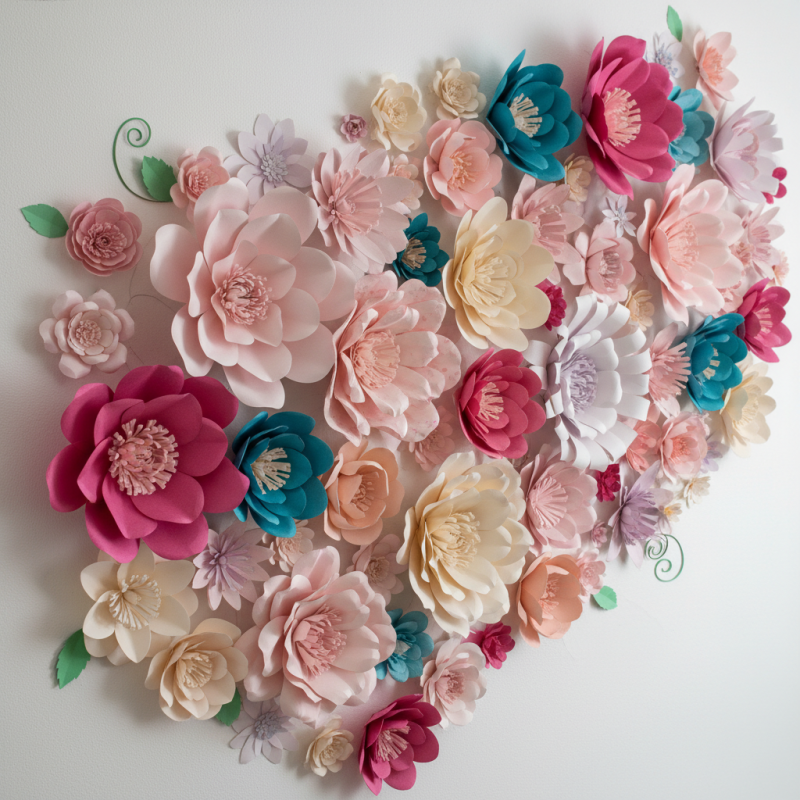
Creating stunning 3D paper flower wall art requires specific materials that enhance both the process and the final result. To start, high-quality colored paper is crucial. According to a recent design report, 75% of paper craft enthusiasts recommend using cardstock for its durability and vibrant colors. This creates a visually striking impact that traditional paper often lacks.
You'll also need a good set of crafting tools. A precision knife and a cutting mat are essential for shaping petals. A glue gun works best for assembling components, ensuring strong bonds that hold better than regular glue. Some craftspeople suggest incorporating foam dots for added dimension. A study from the Craft Industry Alliance notes that 60% of hobbyists prefer foam dots for depth in 3D projects.
Don’t forget about embellishments. Rhinestones and glitter can enhance the visual appeal, adding a personal touch. However, overdoing it can lead to a cluttered look, which may detract from the flower's beauty. An artisan should aim for balance, considering the overall aesthetic and room decor. Collectively, these materials not only contribute to the technique but also reflect the creator's style and intent.
When creating stunning 3D paper flower wall art, selecting the right paper types is crucial. Different papers can dramatically affect the final look. For example, cardstock provides sturdiness, while tissue paper offers a soft and delicate appearance. Reports suggest that nearly 70% of crafters prefer cardstock for durable creations. However, tissue paper’s airy quality can elevate designs, making flowers appear more lifelike.
Color choices hold equal importance in this artistic endeavor. A study highlighted that 80% of viewers are drawn to vibrant hues. Choosing the right palette can evoke various emotions and set the mood of a space. For instance, warm colors like reds and oranges bring energy, while cool colors like blues create a calming effect. It's important to consider color theory and how colors interact. Sometimes the combination doesn't work, requiring adjustments to achieve harmony.
Not every chosen paper type or color will meet the initial vision. It's common for crafters to feel disappointment when their expectations don't match the outcome. Often, experimenting with combinations leads to better results. Embrace the imperfection in the process; it can lead to unexpected beauty in your artwork.
Creating stunning 3D paper flower wall art is a rewarding craft. It allows you to express creativity and personalize your space. Begin by gathering your materials. Choose vibrant colored papers and gather scissors, glue, and a cutting mat. Each flower will reflect your unique style.
Start by selecting a simple flower design. Draw or print the template. Cut multiple layers for depth. You can vary shapes and sizes to add interest. Some petals may not turn out as expected. Don’t worry; it’s part of the creative process. Adjust or re-cut as needed.
Assembling the flowers involves careful arrangement. Layer the petals strategically. Use glue to secure them, allowing some edges to lift for a 3D effect. You may notice flowers don’t always stand perfectly. Embrace imperfection—it adds character. Once finished, display your artwork prominently. Every piece will tell a story, showcasing your journey and growth as a crafter.
Creating 3D paper flower wall art can be a delightful journey. The process requires several techniques to assemble flowers into a cohesive design. Start by choosing your paper wisely. Colored cardstock or crepe paper adds texture and vibrancy. Experiment with different weights and finishes. A mix of colors can lead to a stunning visual effect.
Next, focus on flower assembly. Layer petals to create depth. Each layer should slightly offset the previous one. This technique allows the flowers to pop off the wall. Secure petals with glue, but allow room for adjustments. Sometimes the flowers may not align perfectly. Embrace these imperfections; they can add character to your design.
Lastly, consider the arrangement on your wall. A balanced layout is essential. Large flowers can anchor one side, while smaller ones can fill in gaps. When placing them, step back frequently. This helps in visualizing overall harmony. It’s okay if you need to switch pieces around. Trust your intuition and let each piece find its rightful spot.
Displaying 3D paper flower wall art can elevate any space. However, proper maintenance is crucial for lasting beauty. Dust accumulation can dull the vibrancy of colors. Regular light dusting with a soft brush keeps details intact. A recent industry report highlights that decorative art pieces require consistent care to maintain their visual appeal.
Humidity can also impact paper art. High levels may cause flowers to warp or lose shape. Ensuring a stable environment is important. Ideally, display your art in a climate-controlled room. Ideally, keeping humidity below 50% enhances durability. The National Decorative Arts Council emphasizes how environmental factors significantly affect paper art longevity.
Consider framing your paper flowers. This adds a layer of protection against dust and physical damage. A well-designed frame not only preserves artwork but also enhances its visual impact. Some people overlook the balance between aesthetics and care. Reflecting upon these aspects can lead to better art choices. Make a habit to periodically check and reset your displays.
This bar chart illustrates the increasing popularity of 3D paper flower wall art from 2019 to 2023, showing a significant rise in interest and engagement in this artistic trend over the years.
: Use colored cardstock or crepe paper for texture. Experiment with different weights for variety.
Layer petals slightly offset from each other. This creates depth. Use glue to secure petals.
Imperfections can add charm. Embrace them; they give your design character and uniqueness.
Aim for a balanced layout. Large flowers can anchor areas while smaller ones can fill gaps.
Dust regularly with a soft brush. This keeps colors vibrant and details clear.
High humidity can warp flowers. Keep humidity below 50% to enhance durability and shape.
Framing adds protection against dust and damage. It can also improve the overall look of your art.
Periodically reassess your arrangement. Adjustments may improve visual appeal and harmony in your space.
Yes, trust your instincts. Each piece has its rightful place, and sometimes adjustments may be necessary.
Neglecting care can lead to dullness and damage over time. Regular upkeep is essential for lasting beauty.
Creating stunning 3D paper flower wall art involves several fundamental steps and choices that result in a vibrant and eye-catching display. First, gather the necessary materials, including various types of paper, scissors, adhesives, and decorative embellishments. It’s crucial to select the right paper types and colors to ensure your flowers have the desired look and feel. To learn how to create a 3D effect with paper flower wall art, follow step-by-step instructions for crafting each flower, paying close attention to layering and shaping techniques that add depth.
Once the individual flowers are made, assembling them into a cohesive wall art design is the next step. Techniques such as varying flower sizes and arranging them in overlapping patterns help enhance the 3D illusion. Finally, consider tips for displaying your finished piece, ensuring it is well-lit and maintained to preserve its beauty. With careful planning and creativity, anyone can create captivating 3D paper flower wall art that transforms their space.

Arden Decor