Spring is a time of renewal, and malls often embrace this vibrant season through captivating decorations. The right color palette can breathe life into any shopping environment, making customers feel welcomed and inspired. According to design expert Ashley Greene, "Colors evoke feelings and can transform how people experience a space." This insight highlights the importance of selecting the best colors.
When considering "What are the best color palettes for spring mall decorations?", choices abound. Soft pastels, like blush pink and lavender, create a cheerful atmosphere. Bright yellows and greens evoke the freshness of spring blooms. These combinations help set a lively tone that attracts shoppers.
However, color selections should also reflect the mall's overall theme and branding. What works brilliantly for one space may not translate well in another. Finding harmony between vibrant hues and brand identity is essential. The goal is not just to decorate; it's to engage and invite customers into a memorable shopping experience. By thoughtfully exploring color palettes, malls can create a stunning backdrop that resonates with the spirit of spring.
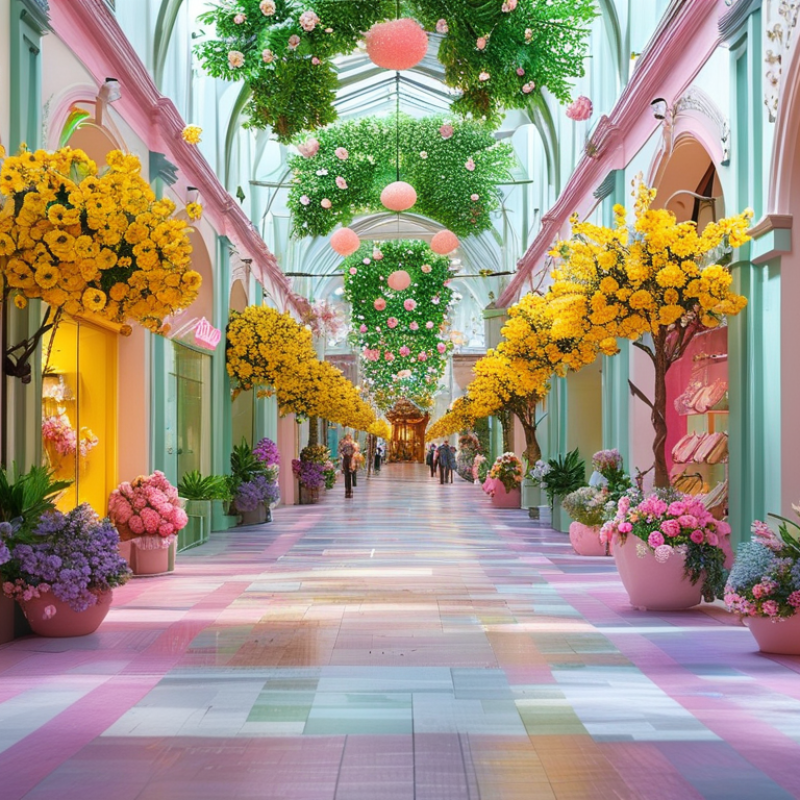
Spring brings a fresh perspective to mall decor. Color palettes for this season tend to reflect the vibrancy of blooming flowers and brightening skies. Soft pastels like lavender and mint green create a serene atmosphere. These colors are perfect for backdrop displays, inviting shoppers to linger. Utilizing these hues can enhance the shopping experience, evoking a sense of tranquility.
Another trend is the bold use of bright colors. Vibrant yellows and coral tones can energize the space. They create visual focal points that draw attention to key areas, like entrances or promotional displays. However, balancing these intense shades is crucial. Overuse can overwhelm visitors and detract from the overall ambiance. Consider pairing bold colors with neutral tones to maintain harmony in decor.
Texture plays an essential role in color presentation. Matte finishes might offer a calming effect, while glossy surfaces can amplify brightness. Integrating a variety of textures adds depth to the overall aesthetic. Still, it's important to ask for feedback. Sometimes, responses to certain colors can be unexpected, revealing areas for improvement. Keeping an open dialogue with shoppers can inform better choices in future designs.
Color plays a vital role in influencing consumer emotions and behaviors in retail spaces. For spring mall decorations, the right palette can create a welcoming atmosphere that encourages shoppers to linger. Colors like soft pastels evoke feelings of calm and nostalgia. In contrast, vibrant hues can energize and excite. Choosing the proper shades can make a significant difference in customer experience.
However, picking colors is not merely a science; it often involves an artful balance. Some colors may evoke positive reactions, while others might turn customers away. A mix of warm yellows and gentle greens can suggest renewal and happiness. Yet, too much brightness can lead to feelings of overwhelm. It's essential to consider the psychology behind choices. Shoppers might relate differently to colors based on personal experiences. Striking a balance is crucial but can be challenging.
Incorporating seasonal trends into color choices can energize retail environments. Earthy tones can invite warmth, but overuse may make spaces feel too muted. Staying aware of how colors affect shoppers allows retailers to cultivate a friendly and inviting atmosphere. Yet, testing these palettes can lead to unexpected outcomes. Not all choices will resonate as planned, illustrating the importance of ongoing reflection and adjustment in decor strategy.
Spring brings a vibrant mix of colors. Each hue tells a story, captivating customers in bustling malls. Effective branding harnesses these color combinations to create memorable experiences. Soft pastels like lavender and mint evoke feelings of renewal and calm. Together, they can transform a simple store window into a serene escape.
Integrating bolder shades like coral and sunshine yellow can energize spaces. These colors attract attention and generate excitement. Used wisely, they can guide shoppers through the journey of spring. However, overloading vibrant colors can be overwhelming. Balance is key—combine bright tones with neutral shades for a harmonious effect.
Effective branding also requires a thoughtful approach to color combinations. Consider the psychology behind each color. For example, blue can inspire trust, while green promotes tranquility. Knowing how colors interact is vital for impact. Learning from feedback can lead to better designs next season. Mistakes can reveal what resonates most with consumers, making every choice valuable in the end.
Spring offers a unique opportunity for malls to refresh their aesthetic with vibrant color palettes. Recent studies by the Color Marketing Group indicate that colors like soft pastels and bright floral hues resonate well with consumers during the season. Implementing these colors can enhance the overall shopping experience, encouraging longer visits and increasing spending. For instance, using a palette of mint green and blush pink can evoke feelings of tranquility and joy, driving foot traffic.
Nevertheless, choosing the right color palette is not without challenges. Malls must consider their existing architecture and the brands they host. A study from the International Council of Shopping Centers revealed that 62% of consumers notice ambient colors immediately upon entering a space. This highlights the need for cohesion in color selection, as a mismatched palette may confuse or repel shoppers. Incorporating natural elements through greenery alongside seasonal colors can bridge aesthetic gaps, creating a more inviting atmosphere.
Incorporating textures and seasonal elements is equally crucial. Textured designs can complement color choices effectively. For example, woven baskets and fabric displays in vivid hues can enhance visual interest. However, it is essential to regularly evaluate the effectiveness of these palettes. Consumer preferences can shift, making constant adaptation necessary to maintain engagement and relevance. Thus, while spring colors can offer a fresh vibe, they must be approached thoughtfully to achieve lasting impact.
| Palette Name | Primary Colors | Suggested Use | Aesthetic Mood |
|---|---|---|---|
| Pastel Paradise | Baby Pink, Mint Green, Soft Yellow | Children's Sections, Spring Promotions | Cheerful, Playful |
| Earthy Tones | Olive Green, Terracotta, Beige | Organic Products, Eco-Friendly Promotions | Natural, Warm |
| Bold and Bright | Electric Blue, Hot Pink, Bright Yellow | Youth Sections, Fashion Stores | Energetic, Vibrant |
| Oceanic Hues | Turquoise, Coral, Sand | Beachwear, Summer Sales | Relaxing, Calming |
| Floral Fusion | Lavender, Peach, Light Green | Home Decor, Floral Shops | Serene, Fresh |
| Vintage Chic | Dusty Rose, Soft Teal, Cream | Boutiques, Antiques | Nostalgic, Romantic |
| Sunset Colors | Gradient Orange, Pink, Purple | Event Decorations, Exteriors | Dramatic, Warm |
| Monochrome Madness | Shades of Gray | Contemporary Sections, Modern Stores | Sophisticated, Elegant |
| Color Pop | Bright Red, Cyan, Yellow | Youth Areas, Promotional Events | Youthful, Exciting |
| Classic Neutrals | White, Black, Gray | Corporate Settings, High-End Stores | Timeless, Professional |
Spring brings vibrant energy, making it an ideal time for malls to refresh their decor. Successful mall decor can leverage trending color palettes. For example, soft pastels combined with bright accents create a warm, inviting atmosphere. A recent case study showed how a mall transformed its atrium using light greens and rosy pinks. Shoppers felt uplifted, and foot traffic increased significantly.
Another notable example featured a shopping center that embraced bold yellows and deep blues. This combination, though striking, initially received mixed feedback. Some found it overwhelming, prompting the designers to tone down certain areas. However, adjustments led to a more balanced approach. The end result was a lively space that resonated well with the community. Encouraging feedback soon followed.
These examples illustrate that successful mall decor isn't just about following trends. It's about understanding the local audience and adjusting as necessary. Color choices can spark emotions and drive shopping behavior. Balancing bold experimentation with customer satisfaction creates an engaging environment.
: Soft pastels like lavender and mint work well. They evoke renewal and calm feelings in consumers.
Bolder shades like coral and sunshine yellow can energize spaces. They attract attention and create excitement.
Malls need to consider existing architecture and brand identities. Cohesion in colors is vital for customer attraction.
Colors like blue inspire trust, while green promotes tranquility. Understanding color psychology is essential for impact.
Overloading with bright colors can be overwhelming. Balance bright tones with neutral shades for harmony.
Regular evaluations are crucial. Consumer preferences shift, and adaptation is needed to stay relevant and engaging.
Absolutely. Textured designs can complement colors effectively, adding visual interest to displays.
Mismatched color palettes can confuse shoppers. It's important to maintain cohesion to prevent negative impressions.
Using appealing seasonal colors can enhance the shopping experience. They encourage longer visits and potentially increase spending.
Integrating greenery with seasonal colors creates inviting atmospheres. It helps bridge aesthetic gaps and enhances customer appeal.
Spring mall decorations can significantly enhance the shopping experience, and choosing the right color palettes is key to achieving this. In exploring "What are the best color palettes for spring mall decorations?", the article underscores top trends in spring color palettes that resonate emotionally with consumers, influencing their shopping behavior. Popular combinations like pastel hues and vibrant floral tones not only breathe life into retail spaces but also strengthen branding efforts for mall environments.
Implementing these seasonal color palettes effectively requires an understanding of how color affects consumer emotions and perceptions. Tips on integrating these palettes into mall aesthetics are provided, along with case studies that showcase successful applications of spring color trends in mall decor. By embracing the essence of spring through thoughtful color choices, malls can create inviting atmospheres that attract shoppers and foster a sense of community.

Arden Decor